
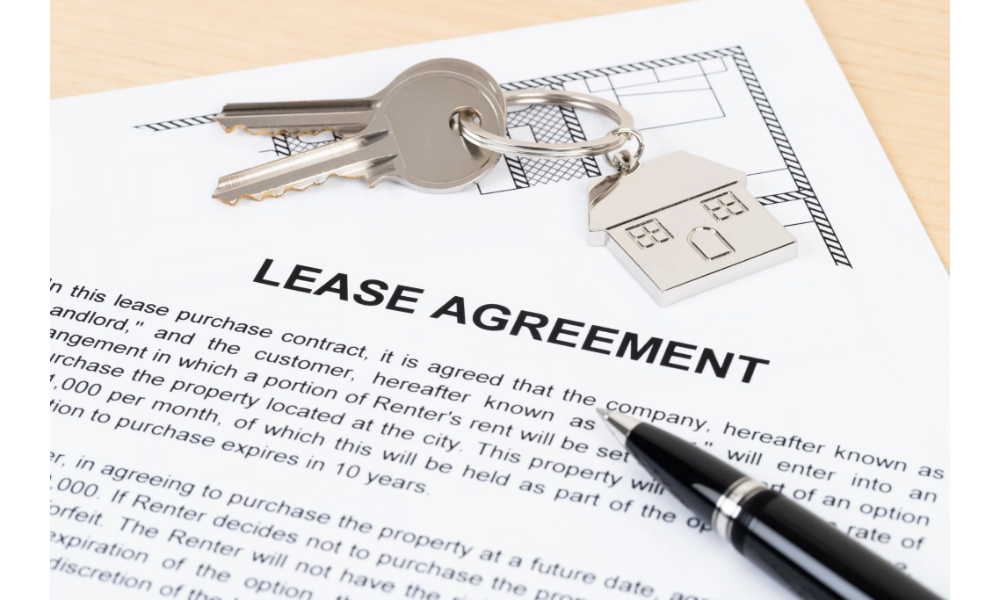
The way you structure your lease agreement sets the tone for your entire rental relationship with your tenants. In many ways, the lease is the foundation of your rental business. It explains the rules, protects your property, and helps prevent conflict during the tenancy.
But writing your own lease agreement can be difficult, especially if you manage your property on your own and are not sure what to include. A strong lease must be clear, detailed, and legally compliant so that it can be enforced if a problem happens between you and your tenant.
To help you, here are the most important steps for creating a legally compliant lease that protects you, your property, and your tenants.
1. Work With a Real Estate Attorney
If you are not working with a property management company, hiring a local real estate attorney is one of the best steps you can take when creating your lease.
An attorney understands federal, state, and local landlord–tenant laws. These laws change from place to place, and ignoring them can cause major problems later. A lease that breaks the law may be ruled invalid — or may even be used against you in court.
A lawyer can:
- Review your lease for legal issues
- Help you remove unclear or risky clauses
- Make sure your lease follows local rules and housing laws
This small investment can save you from stress, legal trouble, and expensive disputes in the future. Even if you choose to draft the lease yourself, having an attorney review it before use is always a smart step.
2. Keep Multiple Copies of the Lease
Digital files are helpful, but they can also be edited or lost. To protect yourself, always keep printed, signed copies of your lease agreement.
You should:
- Keep one signed copy for your records
- Give one signed copy to the tenant
- Store an extra backup copy
During move-in, go over the lease with your tenant and have them sign the physical copy. This makes sure everyone understands the rules and agrees to them. If a dispute happens, you have proof of the original, unedited agreement.
3. Put All Lease Changes in Writing
Sometimes, changes happen during the lease term. Maybe a tenant gets a pet, wants to add a roommate, or requests a small rule adjustment. To avoid confusion, your lease should clearly state that all changes must be in writing.
Verbal agreements lead to misunderstandings. A tenant may claim you allowed something you never approved — and you may have no way to prove otherwise.
Here’s a common example:
- A tenant moves in with no pets
- Later, they ask to adopt a dog
- You agree — but nothing is added to the lease
Without a written pet policy, the tenant may later bring in multiple animals, claim permission was given, and leave you with property damage.
Instead, create a written addendum that explains:
- Pet size or breed limits
- Extra deposits or fees
- Damage responsibilities
- Rules tenants must follow
Both you and the tenant should sign the addendum. This keeps your lease strong and prevents arguments.
4. Use Clear and Simple Language
Your lease agreement should be easy to read and understand. Avoid confusing terms and long, complicated sentences. Clear wording protects both you and your tenant.
Make sure your lease explains:
- Security deposit collection and return rules
- Rent amount, due date, and late payment penalties
- Maintenance responsibilities
- Repair reporting procedures
- Rules on alterations or improvements
- Early termination conditions
- Landlord right-of-entry notice rules
- Guest, roommate, and property use rules
- Consequences for breaking the lease
Unclear language gives tenants room to question or challenge the agreement. Clear writing helps prevent future conflicts.
5. Customize Your Lease Template
Lease templates can be useful, but they are not designed for every city or rental situation. Laws vary from state to state — and sometimes even from city to city.
Instead of using a generic form, customize your template so that it reflects:
- Local landlord-tenant laws
- Property-specific rules
- Your expectations as a landlord
A personalized lease gives you stronger protection and better control over your property.
Final Thoughts
Following the right steps for creating a legally compliant lease helps you run a safer, more professional rental business. A well-written lease protects your rights, sets clear expectations, and reduces the chances of disputes with tenants.
If writing a lease feels overwhelming, consider working with an experienced property manager or attorney. The time and guidance you invest now can save you from legal trouble and financial loss later.