
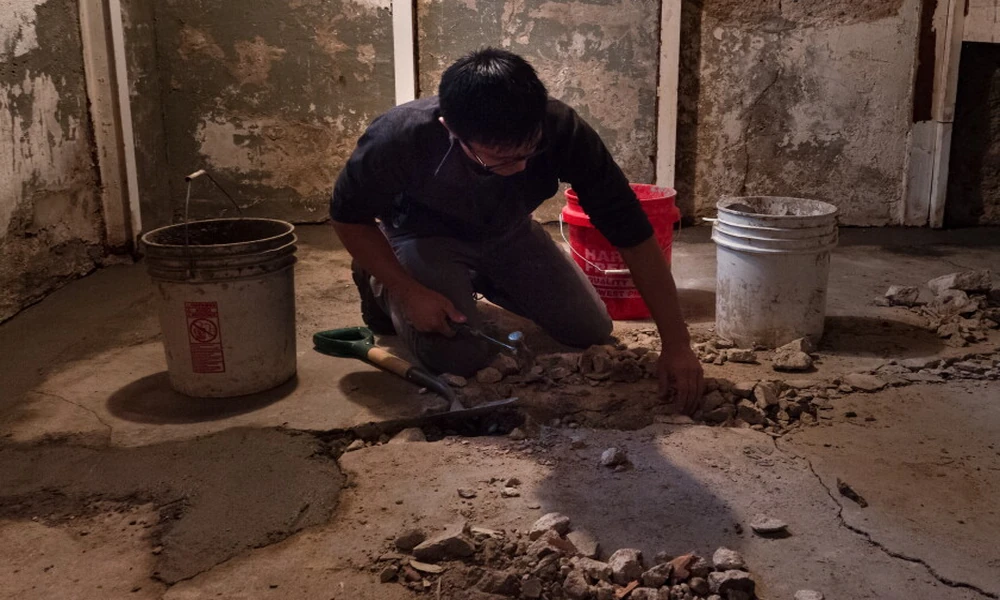
Many homeowners assume that if a basement wall is not actively leaking, the foundation is secure. This is a common oversimplification. Because the ground shifts, settles, and experiences varying moisture levels over time, the health of a foundation is often more complex than a quick visual inspection might suggest. Understanding the reality of home structural integrity requires looking past the surface to see the long-term patterns that can affect a structure.
Assumptions about basement moisture and structural movement
It is frequently assumed that moisture issues are simply a matter of bad luck or an older home’s inevitable decline. Many people believe that water inside a basement is merely an inconvenience that can be solved with a coat of paint or a quick patch on a visible crack. However, the reality of basement waterproofing in North Dakota involves a much more detailed process.
Foundations are often subjected to the natural cycles of the local environment, which can put meaningful pressure on structural walls. When the soil around a home becomes saturated, it expands; as it dries, it contracts. This constant cycle can lead to pressure against basement walls, potentially causing them to bow, crack, or shift. The assumption that a wall will stay exactly where it was placed when the home was built ignores the reality of the earth’s natural, gradual movement. Homeowners often wait for signs of significant water intrusion before considering an assessment, but waiting until a problem is visible often means the underlying structural issue has had time to progress.
What actually matters for the health of your foundation
The most effective approach to home maintenance is focusing on the mechanism of water management and structural support. Instead of reacting to symptoms, successful preservation often involves a proactive evaluation of how water is directed away from the home. For residents in this region, ensuring that gutters, downspouts, and the grade of the soil around the house are properly managed can do a great deal to reduce the pressure on basement walls.
When addressing basement repair in North Dakota, the goal is typically to create a system that manages hydrostatic pressure. This is the pressure exerted by water in the soil against the foundation. A well-designed system often includes a combination of exterior or interior drainage measures that provide a path of least resistance for groundwater, preventing it from building up against the basement walls. By relieving this pressure, you reduce the likelihood of further movement or water entry. It is less about “fixing” a single crack and more about managing the environment around the structure to ensure the foundation remains stable over the long term.
How to distinguish between minor maintenance and necessary intervention
Determining the difference between a superficial issue and a structural concern can be difficult for a homeowner. A small, horizontal crack might appear harmless, but depending on its location and progression, it could indicate significant wall stress. The challenge is that many signs of foundation distress are subtle.
A thoughtful way to evaluate the situation is to look for changes over time rather than just current conditions. If you notice doors or windows that stick, cracks in the drywall above door frames, or gaps forming where the floor meets the wall, these can be indicators that the home’s structure is settling or shifting. When observing basement waterproofing in North Dakota, ask yourself the following questions:
- Has the crack widened or lengthened since it was first noticed?
- Is there visible bowing or curvature in the basement walls?
- Is water intrusion happening only during heavy precipitation, or is it a persistent issue?
Rather than assuming a quick fix is sufficient, a detailed assessment by a professional who understands regional soil behavior can provide a much clearer picture. They can help identify whether your situation requires simple surface sealing or a more involved structural reinforcement.
Reframing your approach to home structural longevity
Rather than viewing your basement as a separate, static space, it is more useful to think of it as the foundation of your entire home’s health. If the basement structure begins to compromise, the effects can eventually ripple upward. Proactive basement repair in North Dakota is about maintaining the stability of the entire house, not just keeping one lower room dry.
Think of your home’s foundation as a system that requires periodic monitoring, similar to how you would monitor the roof or the HVAC equipment. By establishing a baseline for your home’s structural condition, you are better equipped to notice when changes occur. If you are concerned about potential issues, ask a qualified professional about the specific environmental pressures common to your immediate area and what preventative steps can be taken before the need for more substantial intervention arises.
The initial assumption that a basement is a “set it and forget it” part of your home is often the biggest barrier to long-term stability. By shifting toward a perspective of active management and recognizing that foundations respond to their environment, you can better protect the integrity of your property. Relying on professional insights to interpret the signs of soil movement and water pressure allows you to make informed decisions that prioritize the long-term well-being of your home over temporary, cosmetic solutions.