
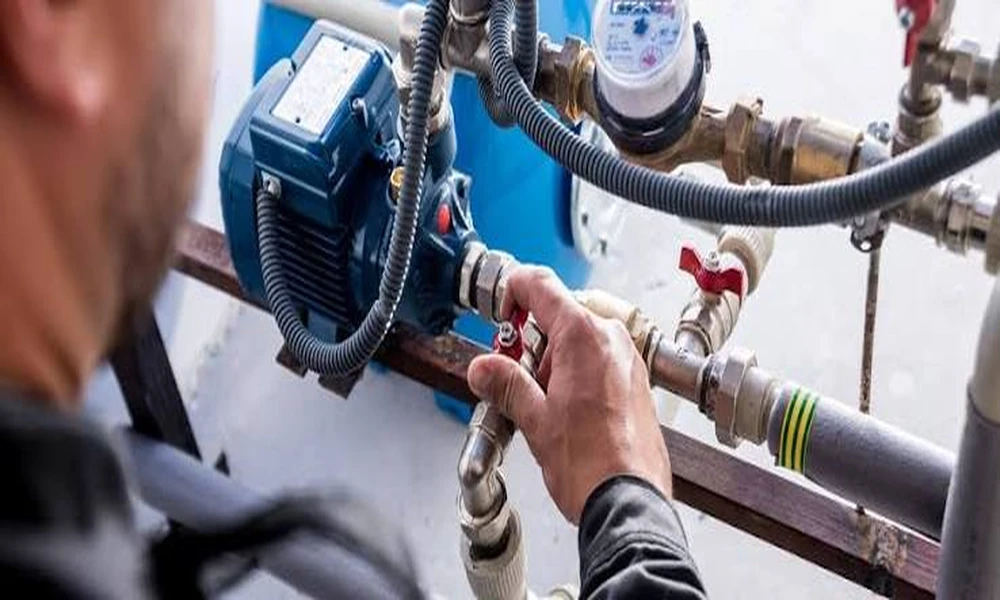
Many property owners hold the assumption that plumbing systems are relatively static components of a building-once installed, they should function reliably with little more than an occasional check. The reality is far more nuanced. Buildings, much like the infrastructure that supports them, operate within a dynamic environment where variables such as water chemistry, temperature shifts, and consistent heavy usage create wear that is often invisible until it manifests as a significant disruption.
Examining the Assumptions About Large-Scale Plumbing Maintenance
A common misconception is that a plumbing issue is only worth professional attention when it becomes disruptive. If a drain is flowing slowly or a pipe shows minor signs of corrosion, the temptation is often to manage it internally or wait for a more convenient time to address it. This reactive approach frequently overlooks the mechanisms of cumulative stress. In many cases, what appears to be a minor, isolated clog may actually be a symptom of broader structural distress within a system, such as mineral buildup or root infiltration.
For property managers and business owners, this philosophy of waiting for a total failure is often a costly strategy. When a system reaches a point of total obstruction, the options for remediation often become more invasive and, consequently, more resource-intensive. Understanding that the plumbing system is a high-demand mechanical asset-rather than a passive feature-is the first step toward proactive facility management.
Why Technical Precision Matters More Than Speed
When considering commercial plumbing services in Denver, the value of a provider lies not just in their ability to resolve an immediate blockage, but in their capacity to diagnose the underlying causes of recurring issues. A professional with the right equipment does not simply clear a path through a pipe; they assess the integrity of the pipe itself.
Modern diagnostic tools, such as high-definition camera systems, allow for a clear view of the interior of sewer lines and drain systems. This capability changes the nature of the service from guesswork to informed decision-making. Instead of attempting to force a clearing mechanism through a pipe that may have structural damage, a qualified technician can determine if a pipe needs reinforcement, lining, or localized repair. For residents of this region, where varied soil conditions and seasonal transitions can impact underground infrastructure, this level of precision is typically essential for long-term reliability.
Distinguishing Between Temporary Relief and System Integrity
A practical way to tell the difference between a temporary patch and a lasting solution is the provider’s approach to the initial assessment. A service that focuses primarily on clearing a drain using standard methods might provide immediate relief, but it often leaves the root cause of the blockage-such as a persistent tree root intrusion or significant scale buildup-entirely unaddressed.
When seeking sewer line cleaning in Denver, a thoughtful owner should ask about the technology used for the task. Methods that utilize high-pressure water systems are generally more effective at removing stubborn obstructions while simultaneously cleaning the pipe walls, which helps prevent new debris from catching on rough surfaces. This approach addresses the condition of the pipe rather than just the immediate symptom, which helps support the overall health of the entire drainage network.
Furthermore, consider the documentation offered by a service provider. A reputable company will often provide evidence of their findings, such as video footage taken before and after the cleaning process. This transparency allows the property owner to see the state of their infrastructure firsthand and understand the rationale behind any recommended follow-up actions.
Reframing the Approach to Facility Plumbing Systems
To move away from the reactive cycle of emergency repairs, it is helpful to view plumbing maintenance as an investment in the longevity of the property. This involves shifting from periodic, crisis-driven calls to a more structured plan for assessment and maintenance.
Key Considerations for Proactive Management
- Establish a Baseline: Knowing the current condition of your primary lines through an initial inspection provides a clear reference point for future monitoring.
- Identify Vulnerability Points: Every building has areas that are more susceptible to strain, such as high-traffic kitchen areas or older segments of piping. Regularly monitoring these specific points can prevent minor leaks from becoming major incidents.
- Prioritize Preventative Cycles: Rather than waiting for a noticeable slowdown, scheduling regular maintenance based on the intensity of use can keep systems operating at peak efficiency.
- Collaborate on Long-Term Strategy: Discussing the age and material of your current piping with a qualified technician can help in planning for future upgrades before the current system reaches its functional limit.
By reframing the maintenance of commercial plumbing services in Denver as an ongoing operational strategy rather than a series of sporadic fixes, owners can reduce the likelihood of costly downtime. The most effective way to protect a facility is to prioritize the identification of structural weaknesses before they are forced into the spotlight by a failure.
Ultimately, the choice of a partner for sewer line cleaning in Denver should be based on their ability to act as a technical advisor for the facility’s long-term health. A professional who communicates clearly about the mechanisms of your system, provides visual verification of their work, and suggests maintenance schedules based on the realities of your specific property will typically provide the most lasting value. Moving away from the assumption that plumbing requires only sporadic attention allows for a more controlled, cost-effective, and reliable environment.