
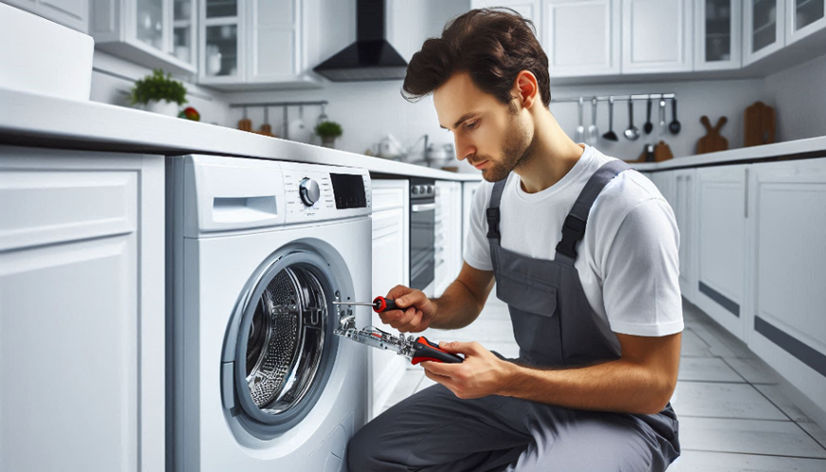
Washing machines are a vital part of every modern household, saving both time and energy. But when they malfunction—whether by refusing to spin, leaking water, or making strange noises—it’s time to call in the experts. Professional technicians follow a systematic and precise process to identify and resolve washer issues efficiently. Understanding how professionals approach washer repairing step by step can help you appreciate the expertise involved and know what to expect during a service visit.
Step 1: Initial Inspection and Safety Precautions
Before any tools come out, professionals start with safety. They unplug the washer and turn off both the hot and cold water supplies. This prevents electrical hazards and flooding during inspection.
Next, they perform a quick visual check for visible signs of trouble—such as leaking water, frayed cords, or burnt smells. Identifying these signs early helps narrow down potential causes before more advanced diagnostics begin.
Step 2: Discussing the Problem with the Customer
Technicians ask the homeowner about specific symptoms. Questions like “When did the issue start?” or “Is it making any unusual sounds?” help pinpoint whether the problem is mechanical, electrical, or water-related.
This initial conversation saves time and ensures the repair starts from the most likely source of failure.
Step 3: Running a Diagnostic Test
Most modern washers come with built-in diagnostic modes that display error codes. Professionals use this feature to identify faulty sensors, malfunctioning motors, or drainage issues.
In older models, technicians rely on manual testing—checking whether the drum spins, fills with water correctly, and drains properly. These initial tests guide the rest of the repair process.
Step 4: Checking the Power and Control System
One of the first technical steps involves ensuring the washer is receiving the correct voltage. A multimeter helps verify the power supply and detect short circuits or blown fuses.
If the machine has no response at all, the technician examines the control board or timer. In some cases, corrosion, overheating, or a failed relay could prevent the washer from operating properly.
Step 5: Examining the Water Inlet System
Water flow issues are common in washers. Professionals inspect the inlet hoses, valves, and filters for blockages. A clogged inlet screen or faulty valve can prevent water from filling the drum or cause inconsistent water levels during cycles.
Technicians also ensure the water pressure is adequate—too low or too high can both cause performance issues.
Step 6: Testing the Motor and Drive Belt
The motor and drive system are the heart of any washer. When these components malfunction, you’ll notice issues like the drum not spinning, jerky movements, or loud banging noises.
Technicians remove the back panel to inspect the belt, pulleys, and motor. If the belt is loose, cracked, or broken, it’s replaced. The motor is then tested to confirm it runs smoothly and transmits power properly to the drum.
Step 7: Drainage and Pump System Evaluation
A washer that won’t drain can lead to soggy clothes or even flooding. Professionals check the drain pump for obstructions, debris, or damage. They also inspect the drain hose for kinks or clogs.
In many cases, lint buildup or small foreign objects like coins can block the pump impeller. Cleaning or replacing this component ensures efficient drainage and prevents future issues.
Step 8: Assessing Suspension and Shock Absorbers
If your washer shakes violently during the spin cycle, the suspension springs or shock absorbers might be worn out. Technicians test these parts for wear and tension. Replacing them restores balance and reduces noise and vibration, ensuring smoother operation.
Step 9: Leak Detection and Seal Replacement
Leaks are often caused by damaged door gaskets, loose clamps, or cracked hoses. During this step, professionals run a short wash cycle to observe where water escapes. They then tighten connections, replace seals, and ensure all hoses fit securely.
Proper sealing not only prevents leaks but also protects electrical parts from moisture damage.
Step 10: Final Testing and Calibration
Once all issues are fixed, technicians reassemble the washer and perform multiple test cycles. They ensure it fills, agitates, drains, and spins correctly. Modern washers are recalibrated to balance drum sensors and water levels accurately.
This final step confirms that the machine operates efficiently and quietly, just like new.
Step 11: Maintenance Advice for Longevity
After completing the repair, professionals often provide maintenance tips—like using high-efficiency detergent, avoiding overloading, cleaning the lint filter regularly, and leaving the washer door open to prevent mold buildup.
Following these practices can extend the lifespan of your washer and reduce the likelihood of future repairs.
Step 12: Trust the Right Professionals
Washer repair isn’t just about fixing a problem; it’s about restoring performance, safety, and efficiency. Choosing experienced technicians ensures the job is done right the first time. Services like Honest Guys washer repairing provide expert diagnostics, use genuine replacement parts, and guarantee their work—giving homeowners peace of mind and long-lasting results.
Final Thoughts
A professional approach to washer repairing involves precision, safety, and expertise at every stage—from diagnosis to final testing. By understanding these steps, homeowners can make informed decisions when their machines break down. With regular maintenance and expert help, your washer can continue to deliver clean, fresh laundry for years to come.