
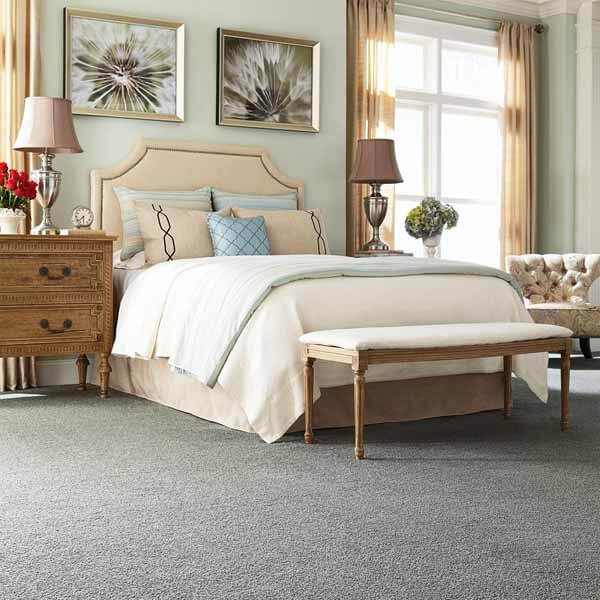
As environmental awareness continues to shape modern lifestyles, sustainable materials are becoming a major trend in interior design. Flooring is no exception. Eco-friendly carpet are emerging as a preferred choice for homeowners, offices, and commercial spaces who want style without compromising environmental responsibility. Sustainable carpeting offers a perfect balance between aesthetics, comfort, and ecological consciousness, making it a smart investment for the future of interior décor.
The Rise of Sustainable Carpets in Modern Interiors
Traditional flooring materials often rely on synthetic fibers and chemical-intensive manufacturing processes. In contrast, eco-friendly carpets are crafted using natural or recycled materials that minimize environmental impact. With growing concerns about climate change and resource depletion, designers and homeowners are shifting toward flooring solutions that support sustainable living.
Sustainable carpets are not only environmentally responsible but also visually versatile. They blend effortlessly with modern, minimalist, and even luxury interior themes. Whether used in living rooms, bedrooms, or corporate offices, these carpets add warmth and elegance while promoting healthier indoor environments.
What Makes a Carpet Eco-Friendly?
Eco-friendly carpets are defined by their material composition, manufacturing process, and lifecycle sustainability. The most common sustainable carpet materials include natural fibers such as jute, wool, sisal, and recycled synthetic fibers.
Natural fiber carpets are highly popular because they are biodegradable and renewable. For instance, jute-based carpets are harvested from fast-growing plants, making them a highly sustainable choice. Wool carpets are another excellent option, offering natural insulation, durability, and comfort underfoot.
Recycled fiber carpets are produced by reprocessing materials such as plastic bottles or discarded textiles. This innovative approach helps reduce landfill waste while delivering high-performance flooring solutions suitable for high-traffic areas.
Additionally, many eco-friendly carpets are manufactured using low-VOC (volatile organic compound) adhesives and dyes, which significantly improve indoor air quality.
Advantages of Choosing Eco-Friendly Carpets
One of the primary benefits of sustainable carpets is their positive environmental impact. By using renewable or recycled materials, these carpets help reduce pollution and conserve natural resources.
Comfort is another significant advantage. Natural fiber carpets provide excellent softness and thermal insulation, making spaces feel warmer and more inviting. This is particularly useful in colder climates or air-conditioned environments where temperature control is important.
Durability is often underestimated when discussing eco-friendly flooring. High-quality sustainable carpets are designed to withstand regular wear and tear, making them suitable for both residential and commercial use.
Health benefits are also an essential factor. Synthetic flooring materials can sometimes release harmful chemicals over time. Sustainable carpets reduce exposure to such substances, supporting healthier living spaces for families and employees.
Sustainable Carpets and Interior Design Trends
Modern interior design increasingly emphasizes simplicity, natural elements, and texture harmony. Eco-friendly carpets perfectly complement these trends by introducing organic aesthetics into indoor spaces.
Neutral earth tones such as beige, olive, sand, and soft gray are widely popular in sustainable flooring designs. These colors create a calming atmosphere and pair well with wooden furniture, indoor plants, and natural lighting.
Texture plays a crucial role in contemporary décor. Handcrafted or woven eco-friendly carpets add depth and character to living spaces without appearing overly decorative. This makes them ideal for minimalist and Scandinavian-style interiors.
Maintenance Tips for Eco-Friendly Carpets
Proper maintenance is essential to extend the lifespan of sustainable carpets. Regular vacuuming helps remove dust and debris that can accumulate in carpet fibers.
Spills should be cleaned immediately using mild cleaning solutions and a soft cloth. Harsh chemical cleaners should be avoided as they may damage natural fibers.
Exposure to excessive moisture should also be minimized, especially for jute or wool carpets, as prolonged dampness can lead to material deterioration.
Rotating carpets periodically helps distribute foot traffic evenly, reducing wear patterns in high-use areas.
Applications of Sustainable Carpets
Eco-friendly carpets are highly versatile and suitable for various environments. In residential spaces, they are commonly used in bedrooms, living rooms, and children’s play areas due to their comfort and safety features.
In commercial settings, sustainable carpets are becoming popular in hotels, offices, and meeting rooms. They contribute to professional aesthetics while supporting corporate sustainability goals.
Retail spaces and boutique establishments also prefer eco-friendly carpets to enhance brand image and customer experience. The natural look of these carpets adds sophistication and warmth to modern commercial interiors.
Why Sustainable Carpets Are the Future of Flooring
The global shift toward environmentally conscious living is driving the demand for sustainable home improvement products. Eco-friendly carpets represent more than just a design choice—they reflect a lifestyle commitment to environmental protection.
As technology advances, manufacturers are developing innovative production methods to improve durability, stain resistance, and performance of sustainable flooring. This ensures that eco-friendly carpets remain competitive with traditional synthetic options.
Investing in sustainable carpets is not only beneficial for the environment but also economically practical in the long run. Their longevity, low maintenance needs, and timeless appeal make them a valuable addition to any interior space.
Conclusion
Eco-friendly carpet Abu dhabi are redefining modern interior design by combining sustainability, comfort, and style. As consumers become more environmentally conscious, the popularity of sustainable flooring solutions continues to grow. Whether for homes or commercial spaces, choosing eco-friendly carpets is a step toward creating healthier, more responsible, and aesthetically pleasing environments.