
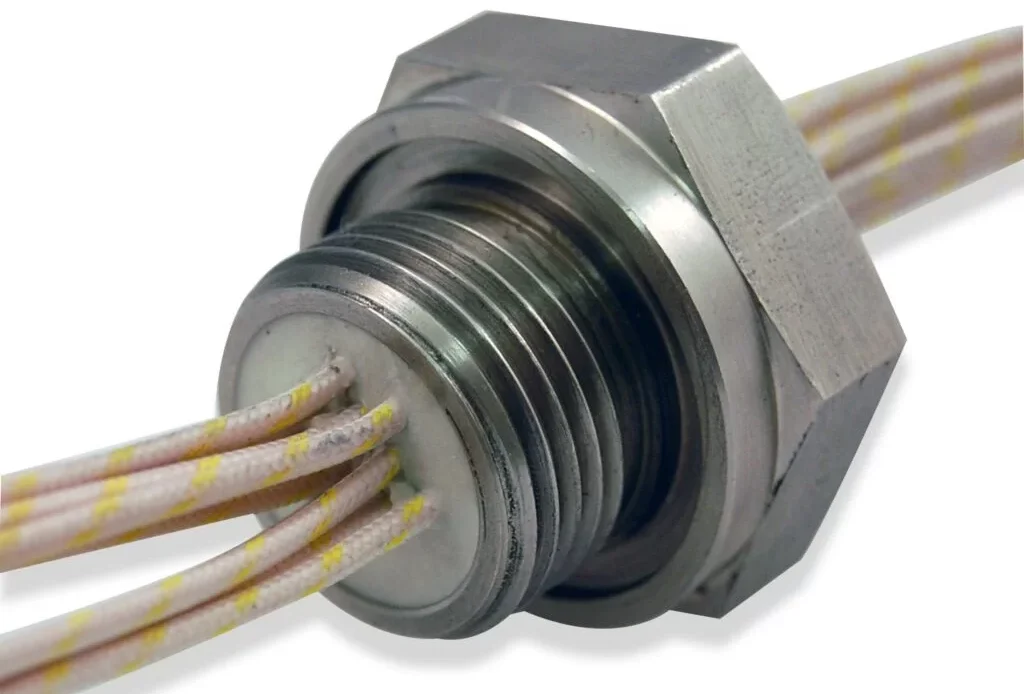
Hermetic feedthroughs are essential components for electronics, aerospace, medical devices, and high-vacuum systems. They provide secure passage for electrical, optical, or fluid connections through a sealed barrier while maintaining environmental integrity. Understanding the hermetic feedthrough manufacturing process helps engineers and designers select the right product for demanding applications. Leading brands like PAVE Technology ensure precision and reliability throughout the manufacturing process.
What is a Hermetic Feedthrough?
A hermetic feedthrough is a device that allows signals, power, or fluids to pass through a sealed barrier—such as metal, glass, or ceramic—without compromising the enclosure’s integrity. This prevents contamination, moisture ingress, or pressure loss, which could otherwise damage sensitive components.
PAVE Technology specializes in high-quality hermetic feedthroughs designed for extreme environments, including aerospace, medical, and industrial applications.
Materials Used in Hermetic Feedthrough Manufacturing
The choice of materials is critical to the performance of a hermetic feedthrough:
- Glass: Provides excellent sealing, insulation, and durability under pressure.
- Ceramic: Offers high-temperature resistance and strong electrical insulation.
- Metal: Ensures mechanical strength and structural support for the feedthrough.
- Sealing alloys: Used to bond glass or ceramic to metal and maintain hermetic integrity.
PAVE Technology selects materials carefully to meet industry standards for performance, reliability, and longevity.
Step-by-Step Manufacturing Process
1. Material Preparation
Raw materials such as metal pins, ceramic or glass insulators, and sealing alloys are inspected and prepared. Precision cutting, shaping, and cleaning ensure that each component meets strict tolerances.
2. Insulator Formation
Glass or ceramic insulators are shaped into the required form using molding or extrusion processes. These insulators act as barriers between the conductive pins and the outer housing, providing electrical isolation while maintaining a hermetic seal.
3. Metal-to-Insulator Sealing
This step is critical for hermetic integrity. The metal pins or housing are sealed to the glass or ceramic insulator using techniques like:
- Fusing: Glass is melted to bond with the metal pin.
- Brazing: A sealing alloy is heated to join metal and ceramic components.
PAVE Technology employs precision sealing techniques to ensure leak-proof performance even under extreme temperatures and pressures.
4. Assembly of Feedthrough Components
After the seals are formed, the feedthrough components are assembled. Multi-pin or coaxial feedthroughs are carefully aligned to maintain electrical performance and minimize signal loss.
5. Testing and Quality Control
Each hermetic feedthrough undergoes rigorous testing to verify:
- Hermeticity: Ensuring no leaks under vacuum or pressure conditions.
- Electrical performance: Resistance, insulation, and signal integrity checks.
- Mechanical durability: Vibration, thermal cycling, and impact resistance.
PAVE Technology maintains strict quality standards, ensuring that every feedthrough meets industry certifications and customer specifications.
6. Finishing and Packaging
Finally, the feedthroughs are cleaned, coated if necessary for corrosion resistance, and packaged for shipping. Proper packaging ensures the product arrives safely and maintains its performance in the field.
Advantages of PAVE Technology Hermetic Feedthroughs
- Precision-engineered seals for long-term reliability
- Wide range of materials and configurations for specialized applications
- Tested for electrical, mechanical, and environmental performance
- Suitable for electronics, aerospace, medical, and industrial systems
Conclusion
The hermetic feedthrough manufacturing process involves careful material selection, precision sealing, and rigorous quality testing to ensure reliability in extreme environments. From shaping glass or ceramic insulators to testing hermetic integrity, each step is critical for performance.