
Termites are called silent destroyers with good reason — they can go unnoticed and cause thousands of dollars in structural damage before you even know you have a pest problem. In a city like Gaithersburg, Md., with a mix of new and old homes and moderate humidity, the conditions are perfect for termites and homeowners need to remain vigilant. Identifying the early warning signs of termites can help you act quickly and safeguard your greatest investment—your home. In this blog post, you can further Check it out
Hollow or Rotten Wood
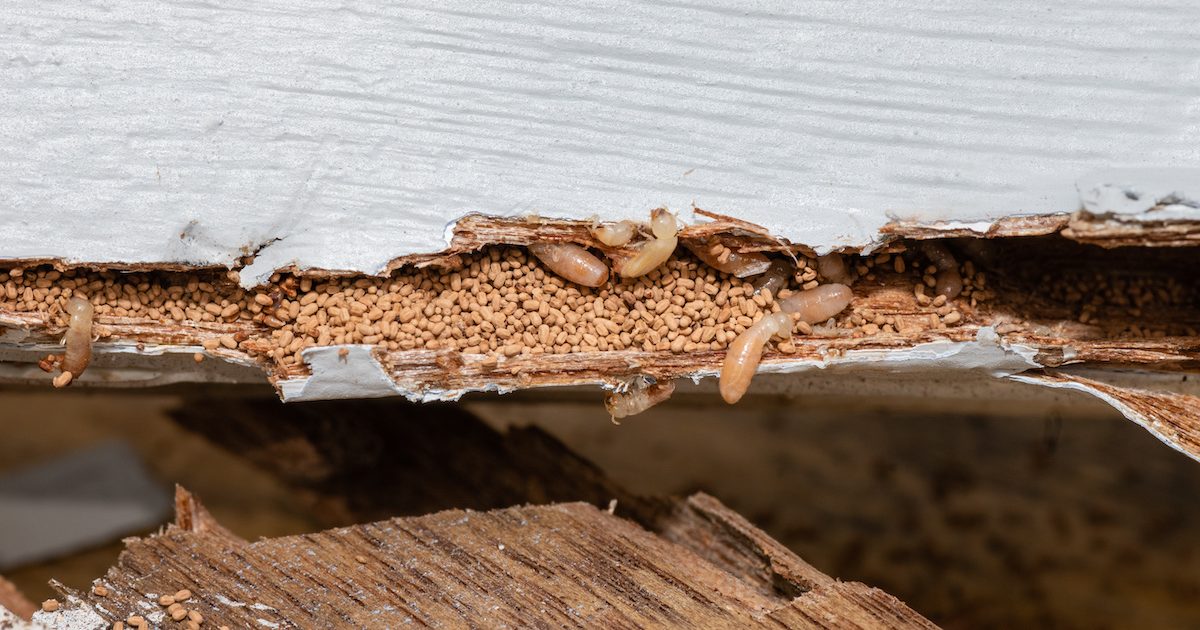
Houses with termite damage may sound hollow when tapped or have noticeable holes in the spaces where wood once was. As we see it, wood-eating love you to the core, leaving only a thin surface coating! Eventually, you might observe floors that sag, baseboards that will crumble if you lean in to give your baby a goodnight kiss, or doors and windows that no longer close properly.
Mud Tubes on Walls/Foundation
Most of the termites in Maryland are subterranean – which build mud tubes that protect them as they travel back and forth between their colony and their food source. These pencil-thin tunnels are most frequently seen along your house’s foundation, in crawl spaces or on basement walls. If you see one, it’s a huge red flag. These tunnels allow termites to hang on to moisture and shield themselves from open air, so they’re an important sign of current infestation.
You can snap a portion of the tube to see if the infestation is still active. If it’s fixed in a day or two, you probably have a live colony. In Gaithersburg basements — a common feature in many of the city’s older homes, particularly ones near forests, such as Seneca Creek State Park — termites can gain entry through mud tubes.
Rejected Wings, or Swarming Flies
Another tell-tale sign is the development of rejected wings near windows, doors or light sources. Termite swarmers are reproductive termites that exit the colony to create new ones. They lose their wings as soon as they get a nesting site. Homeowners in Gaithersburg often confuse these swarmers for winged ants, but upon closer examination, one can easily tell the difference – termite wings are the same length as opposed to the uneven wings of ants.
Frass (Termite Droppings)
Subterranean termites are more common in Maryland, than drywood ones, but drywood ones can also be found in homes. The insects leave frass — small, wood-colored droppings that look like sawdust or coffee grounds. Frass is commonly located near the holes in wood furniture, beams or wall voids. Frass piles, however, are usually fine and even, and do not have the appearance of any obvious sawing.
Here in Gaithersburg, many homeowners tell me they have had trouble with windows and doors that won’t open or close this summer, and they have taken that as evidence that the humidity is high. Wetness may swell wood, but damage from termites can have similar effect. They can also be caused due to the termites eating through wooden frames which cause structural alterations, making these fixtures misplace.
This symptom can be especially insidious in that it’s easy to minimize or dismiss. But if you see it in conjunction with other symptoms such as frass or mud tubes, you may have a termite problem on your hands.
Remain vigilant to keep your home in Gaithersburg safe
Termites can cause severe damage if discovered late. Whether you home is a newly-constructed building in Kentlands, or an older building near Historic Downtown Gaithersburg, frequent inspections are crucial, and catching the first signs of an infestation are that much more important. Plan an annual termite inspection, minimize excessive moisture, and clean up any wood debris from around your foundation.
If you suspect termites read our article and book a local pest control with a good reputation and understanding of IPM (Integrated Pest Management) for safe treatment. With vigilance and proper aid, you can safeguard your home from becoming another casualty of silent rot.