
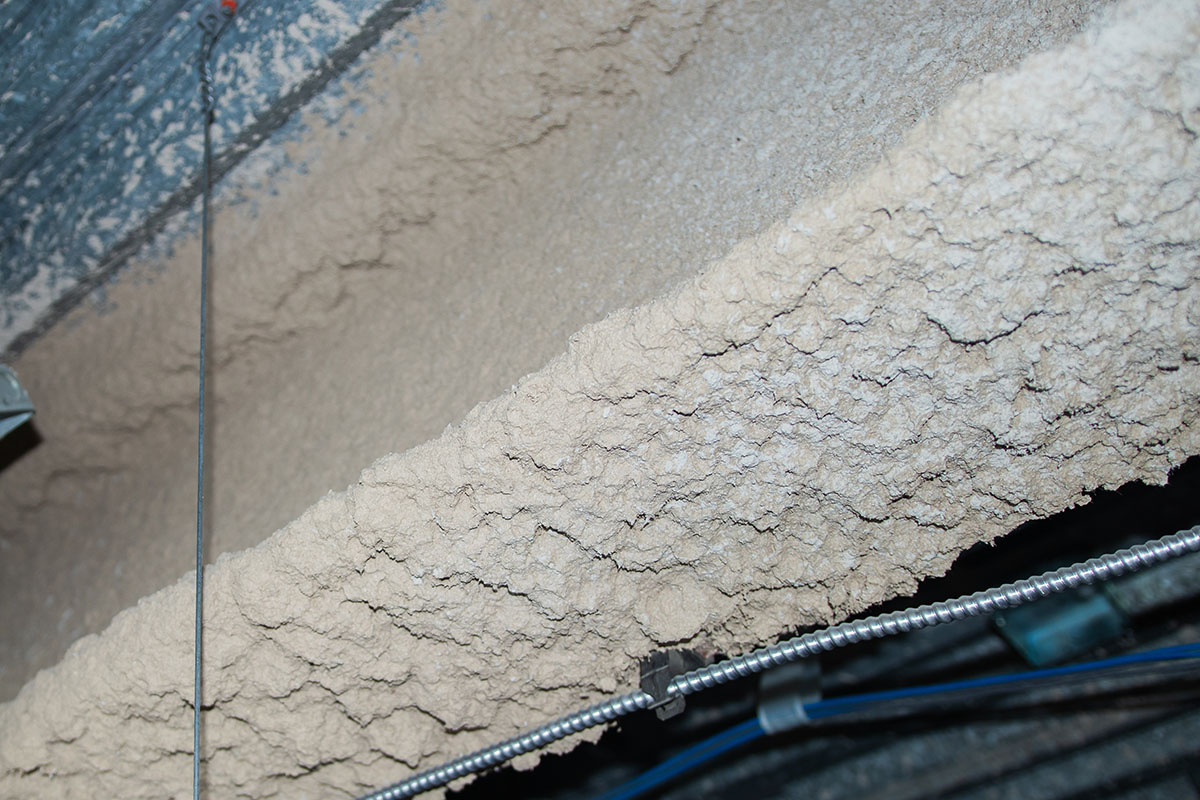
Asbestos is a mineral that was widely used in construction materials before the 1980s. Many older homes still contain asbestos, posing health risks to residents. Understanding where asbestos can be found and its associated dangers is crucial for homeowners, especially veterans who may have been exposed during their service.
Health Risks Associated With Asbestos
Asbestos exposure can lead to serious health issues, including:
- Pleural mesothelioma
- Peritoneal mesothelioma
- Asbestosis
- Asbestos lung cancer
Most asbestos-related diseases are diagnosed at least 15 years after exposure, making early detection challenging.
Common Locations of Asbestos
In older homes, asbestos can be found in various materials, such as:
- Ceiling tiles
- Floor tiles
- Insulation around pipes
- Roofing shingles
- Textured paint
- Vermiculite insulation
These materials were commonly used in homes built before the 1980s, and even some products made after that time may still contain asbestos.
Historical Use of Asbestos in Construction
Asbestos was popular in construction due to its durability and resistance to heat and chemicals. From the 1930s to the 1970s, it was used in thousands of products. Although its use has declined since the 1970s, it remains legal in the U.S. for certain applications. Many veterans, particularly those in construction roles, may have encountered asbestos in military buildings, leading to increased risks of exposure and related diseases, such as mesothelioma. Understanding the history of asbestos use can help homeowners recognize potential risks in their own homes.
Identifying Asbestos During Renovations
Signs of Asbestos Presence
Identifying asbestos in a home can be challenging, especially since it is often hidden in various materials. Here are some signs that may indicate the presence of asbestos:
- Age of the Home: Homes built before the 1980s are more likely to contain asbestos.
- Common Materials: Look for materials like popcorn ceilings, vinyl flooring, and insulation around pipes.
- Visual Clues: While you cannot see asbestos fibers, certain materials may suggest its presence, such as textured ceilings or old roofing materials.
Testing for Asbestos
If there is a suspicion of asbestos in the home, testing is crucial. Here are steps to follow:
- Do Not Disturb: Avoid touching or disturbing any suspected materials.
- Hire a Professional: It is safer to hire a trained asbestos inspector who can collect samples.
- Laboratory Testing: Send the samples to an accredited lab for analysis to confirm the presence of asbestos.
Professional Inspection Services
Engaging a professional for an asbestos inspection is highly recommended. Here’s why:
- Expertise: Professionals have the training and experience to identify asbestos correctly.
- Safety: They can handle materials safely, reducing the risk of exposure.
- Regulatory Compliance: Professionals follow local regulations and guidelines for asbestos management.
By being aware of the signs of asbestos and taking the necessary steps for testing and professional inspection, homeowners can ensure a safer renovation process.
Safe Practices for Home Renovations
Renovating a home can be exciting, but it is crucial to prioritize safety, especially when dealing with older homes that may contain asbestos. Here are some essential practices to follow:
Planning Renovation Projects
- Research: Before starting any renovation, research the history of your home. Understand where asbestos might be present, such as in insulation, flooring, or roofing materials.
- Consult Professionals: Consider hiring a qualified asbestos inspector to assess your home. They can identify potential risks and guide you on safe practices.
Avoiding Asbestos Disturbance
- Do Not Disturb: If you suspect asbestos is present, avoid disturbing it. Activities like drilling, sanding, or scraping can release harmful fibers into the air.
- Seal Off Areas: If you find damaged materials, seal off the area immediately to prevent exposure. Keep others away until a professional can assess the situation.
Using Protective Equipment
- Wear Protective Gear: If you must work in areas where asbestos might be present, always wear appropriate protective equipment, including masks and gloves.
- Follow Safety Protocols: Ensure that you follow all safety guidelines when handling materials that may contain asbestos. This includes using wet methods to minimize dust and properly disposing of any hazardous materials.
By adhering to these practices, homeowners can significantly reduce the risk of asbestos exposure during renovations. For veterans, understanding these risks is particularly important, as they may face heightened health concerns related to asbestos exposure, including mesothelioma. Always prioritize safety and consult professionals when in doubt.
Legal and Financial Considerations
Compensation for Asbestos Exposure
Veterans and homeowners who have been exposed to asbestos may be eligible for financial compensation. Here are some key points to consider:
- Workers’ Compensation: If exposure occurred at work, individuals may file a claim for workers’ compensation.
- Lawsuits: Victims can pursue legal action against companies responsible for asbestos exposure.
- Statutes of Limitations: Be aware of the time limits for filing claims, which vary by state.
Hiring Legal Representation
Engaging a lawyer who specializes in asbestos cases can be beneficial. Consider the following:
- Experience: Look for attorneys with a proven track record in asbestos litigation.
- Consultation: Many lawyers offer free consultations to discuss potential cases.
- Fees: Understand the fee structure, as many lawyers work on a contingency basis, meaning they only get paid if you win your case.
Understanding Your Rights
It is crucial for veterans and homeowners to know their rights regarding asbestos exposure:
- Right to Information: Individuals have the right to know if they have been exposed to asbestos.
- Right to Compensation: Victims can seek compensation for medical expenses, lost wages, and pain and suffering.
- Legal Protections: Various laws exist to protect individuals from asbestos exposure and to ensure safe handling and removal.
Resources for Veterans and Homeowners
Support Organizations
Veterans and homeowners can find help through various support organizations. These groups offer resources and assistance for those affected by asbestos exposure. Some notable organizations include:
- Mesothelioma Hope: Provides information and support for patients and families.
- Asbestos Disease Awareness Organization (ADAO): Focuses on education and advocacy regarding asbestos-related diseases.
- Veterans Affairs (VA): Offers resources specifically for veterans, including health care and benefits.
Financial Assistance Programs
There are several financial assistance programs available to help cover the costs associated with asbestos-related illnesses. These programs can provide:
- Compensation for medical expenses: Financial support for treatment and care.
- Insurance coverage: Help with insurance shortfalls related to asbestos exposure.
- VA benefits: Veterans may qualify for disability payouts and other financial support.
Educational Materials
Understanding asbestos and its risks is crucial for veterans and homeowners. Educational materials can help individuals learn about:
- Health risks: Information on diseases linked to asbestos exposure, such as mesothelioma.
- Safe renovation practices: Guidelines for safely handling potential asbestos in homes.
- Legal rights: Resources that explain the rights of those affected by asbestos exposure, including how to seek compensation.
By utilizing these resources, veterans and homeowners can better protect themselves and their families from the dangers of asbestos exposure.
The Importance of Professional Abatement
When to Call a Professional
When homeowners suspect the presence of asbestos, it is crucial to call a professional immediately. This is especially important if any damaged asbestos is found during renovations. Homeowners should seal off the area and avoid letting anyone near it until a trained expert can assess the situation safely.
Choosing the Right Abatement Company
Selecting a qualified asbestos abatement company is essential. Homeowners should ensure that the company is licensed and has the necessary training. Here are some tips for choosing the right professional:
- Check for licenses: Ensure the company is certified by the appropriate state agency.
- Read reviews: Look for feedback from previous clients to gauge the company’s reliability.
- Inquire about experience: Ask how long the company has been in business and their track record with asbestos removal.
Post-Abatement Safety Measures
After the abatement process, it is vital to take safety measures to ensure the home remains free from asbestos hazards. Homeowners should:
- Conduct air quality tests: Ensure that the air is safe to breathe.
- Seal off the area: Keep the area where the asbestos was removed sealed until it is confirmed safe.
- Follow up with regular inspections: Schedule periodic checks to ensure no asbestos has returned.
By hiring professionals for asbestos abatement, homeowners can significantly reduce the risk of exposure and ensure a safe living environment. This is particularly important for veterans, who may have been exposed to asbestos during their service. Understanding the risks and taking the right steps can help protect their health and well-being.
Long-Term Health Monitoring
Symptoms of Asbestos-Related Diseases
Asbestos exposure can lead to serious health issues. It is important to be aware of the following symptoms:
- Shortness of breath: Difficulty breathing can be an early sign.
- Persistent cough: A cough that doesn’t go away may indicate a problem.
- Chest pain: Discomfort in the chest area should not be ignored.
- Fatigue: Unusual tiredness can be a symptom of underlying issues.
- Weight loss: Unexplained weight loss can be concerning.
Regular Health Check-Ups
Regular check-ups are crucial for early detection of any health issues related to asbestos exposure. Here are some recommendations:
- Schedule annual physicals: Regular visits to a healthcare provider can help monitor health.
- Discuss asbestos exposure: Inform the doctor about any past exposure to asbestos.
- Get lung function tests: These tests can help assess lung health.
- Consider imaging tests: X-rays or CT scans can detect changes in the lungs.
Resources for Medical Support
Veterans and homeowners can access various resources for medical support:
- Veterans Affairs (VA): Offers mesothelioma benefits for veterans.
- Local health departments: Can provide information on available health services.
- Support groups: Connecting with others who have similar experiences can be beneficial.
- Online resources: Websites dedicated to asbestos-related diseases can offer valuable information and support.