
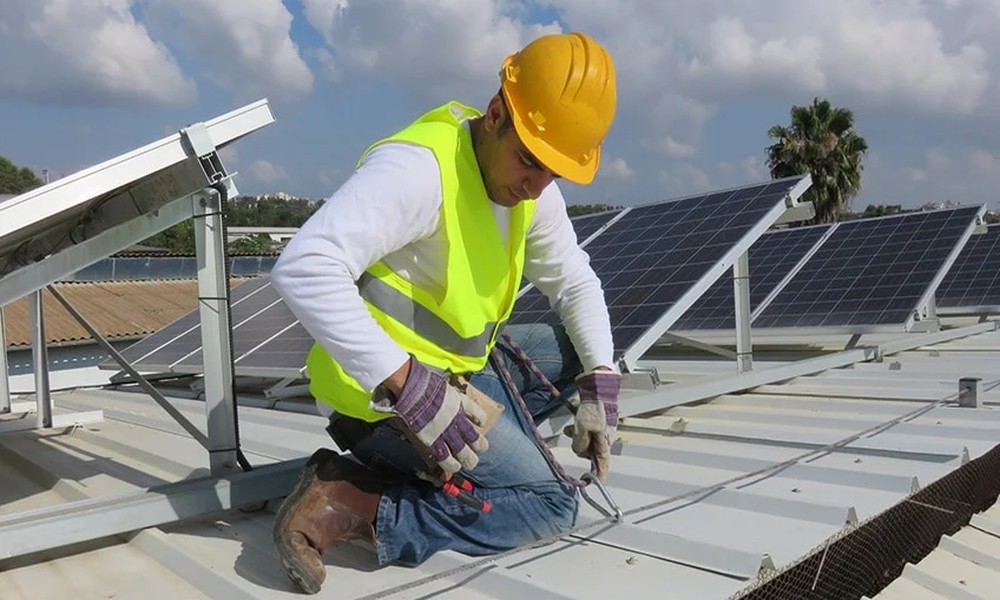
In the fast-paced economic landscape of Northern California, a building’s structural integrity is often the silent partner in a company’s success. For business owners and property managers, the roof is more than just a cover; it is a sophisticated asset that protects inventory, sensitive technology, and, most importantly, personnel. When looking to upgrade or maintain an industrial facility, understanding the nuances of commercial roofing is essential for long-term financial stability and operational continuity.
From high-tech manufacturing plants to sprawling retail complexes, the demands placed on a commercial structure in the South Bay are unique. The intersection of intense UV exposure and the need for energy efficiency requires a specialized approach that differs significantly from residential standards.
The Role of a Specialized Commercial Roofer
Commercial structures present complexities that go far beyond shingles and nails. Flat roofs, low-slope systems, and massive square footage require a level of engineering precision that only a seasoned commercial roofer can provide. Unlike residential projects, commercial work involves navigating complex HVAC systems, specialized drainage requirements, and strict OSHA safety protocols.
A professional contractor does not just “fix leaks.” They act as consultants who analyze the “lifecycle cost” of your roof. This includes evaluating:
- Substrate Integrity: Ensuring the structural deck can support the weight of new materials.
- Thermal Performance: Implementing insulation layers that reduce the carbon footprint of the building.
- Chemical Compatibility: Selecting membranes that won’t degrade when exposed to industrial exhausts or kitchen grease.
By partnering with an expert, business owners ensure that their roofing system is compliant with the latest California Building Codes and insurance requirements, effectively mitigating risk before it becomes a liability.
Navigating the Roofing Landscape in San Jose
Operating a business in San Jose brings a specific set of environmental and regulatory challenges. As the “Capital of Silicon Valley,” the city has been at the forefront of green building initiatives. This means that roofing projects in the area must often comply with Title 24 energy standards, which emphasize “cool roofing” technology to combat the urban heat island effect.
The climate in the Santa Clara Valley-characterized by dry, hot summers and concentrated winter rain-can wreak havoc on poorly maintained membranes. Thermal expansion and contraction can cause seams to split and flashing to pull away. A local expert understands these micro-climates and can recommend systems like TPO (Thermoplastic Polyolefin) or PVC, which are highly reflective and resistant to the chemical pollutants often found in urban environments.
Advanced Systems for Modern Businesses
The technology behind industrial roofing has evolved rapidly. Today’s property managers have a variety of high-performance options to choose from, each offering specific benefits:
- Single-Ply Membranes (TPO & PVC): These are the gold standard for modern commercial buildings. They are lightweight, highly reflective, and offer excellent resistance to UV radiation and punctures.
- Modified Bitumen: A durable, multi-layer approach that is ideal for roofs with high foot traffic or heavy equipment placement.
- Liquid Applied Coatings: An eco-friendly way to extend the life of an existing roof. By applying a high-grade silicone or acrylic coating, a roofer can create a seamless, waterproof barrier that avoids the need for a costly tear-off.
- Standing Seam Metal: Known for its longevity and aesthetic appeal, metal roofing is an excellent choice for steep-slope commercial buildings or architectural statements.
The Economic Impact of Proactive Maintenance
For a San Jose business, a roof failure is more than an inconvenience; it is a threat to the bottom line. A single leak over a server room or a warehouse full of electronics can result in millions of dollars in damages. This is why “Reactive Maintenance”-fixing things only when they break-is the most expensive way to manage a facility.
A proactive maintenance program includes:
- Bi-Annual Inspections: Catching small membrane punctures or clogged drains before the rainy season begins.
- Debris Removal: Preventing water ponding, which is the leading cause of premature roof failure on flat structures.
- Detailed Documentation: Providing a digital trail of repairs that increases the resale value of the property and simplifies insurance claims.
Why Roofing Campbell is the Trusted Choice
At Roofing Campbell, we understand that a commercial project is a significant capital expenditure. We don’t just provide a service; we provide a partnership. Our team is equipped with the latest diagnostic tools to identify hidden moisture trapped beneath the surface, ensuring that we never recommend a full replacement when a targeted repair or coating will suffice.
We pride ourselves on minimal operational disruption. We know that your business needs to stay open, which is why we coordinate our staging and installation to ensure that your customers and employees are safe and unaffected by our presence.
Protect Your Commercial Asset Today
Whether you are managing a warehouse in North San Jose or a retail center downtown, the time to evaluate your roof is now. Don’t wait for the first storm of the year to discover a vulnerability. Investing in professional craftsmanship today ensures that your facility remains a productive, safe environment for years to come.