
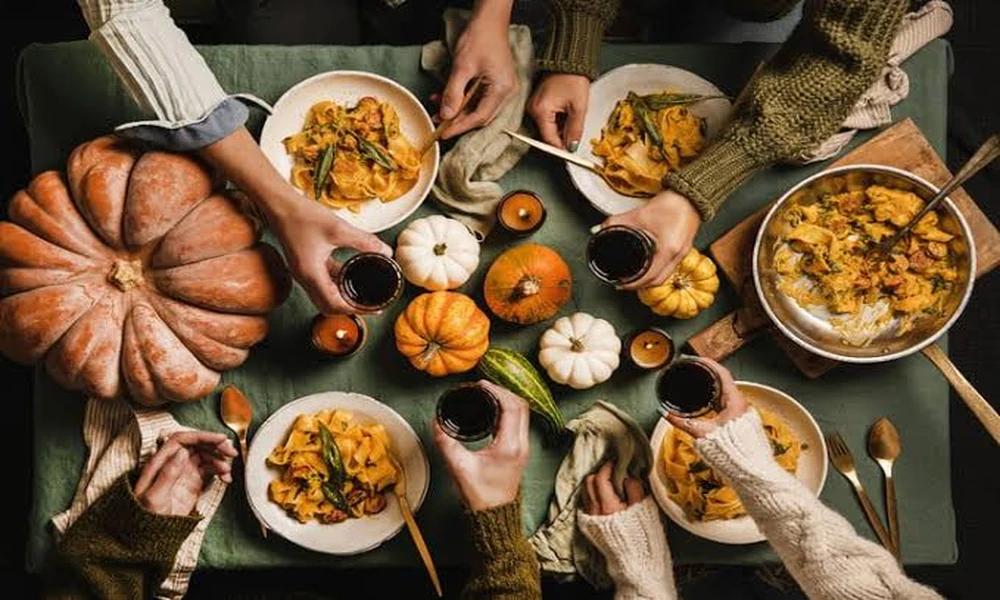
An autumn dinner can feel appropriate to the season without becoming a themed event. Choose a savory food the household enjoys, let one accompaniment provide the mood you want, and keep the preparation suited to an ordinary evening. The meal can be welcoming through its flavors and comfortable serving arrangement rather than decorations or novelty names.
Choose a savory direction you already enjoy
Start with the food people want to eat. A familiar chicken-and-onion filling, a potato-and-cheddar combination, or another savory choice can provide a clear center. There is no requirement for the main item to contain a particular seasonal ingredient just because the calendar has changed.
Cheeky Chicken Bites are mini chicken-and-onion dumplings. They can be considered for a supper with an accompaniment you enjoy, provided the preparation and serving arrangement fit the evening. The small format does not confine them to a party or children’s plate; their role comes from the meal you build.
Think about the evening’s actual pace. If you want to sit down after a household task, choose a manageable menu. If you have more time and want to cook, a more involved side may be welcome. Let the occasion determine the work rather than assuming that a seasonal meal must be elaborate.
Keep the central choice familiar when trying a new accompaniment. This gives you something known on the plate and makes it easier to judge the side. You can change the filling another night without asking every element of dinner to be new at once.
Discuss the flavor direction with the people eating. Someone may prefer a plainly savory meal while another imagines a sweet seasonal accent. Those preferences can often be accommodated through an optional side or finish, provided they are known before the whole dish is prepared.
Let the side dish suggest the season
Choose an accompaniment that gives you the autumn feeling you want. That might be a favorite vegetable preparation, a tart apple side, or another familiar dish you associate with this time of year. The association can be personal. It does not need to represent what every household in a city eats.
Use ingredients that are actually available and suitable for your meal. A seasonal idea is not a reason to buy produce you do not enjoy or cannot prepare comfortably. If the planned ingredient is unavailable, choose another side that fits the savory filling and the evening’s workload.
Give the accompaniment one clear role. It might provide a crisp texture beside the dumplings or a different flavor note. Avoid asking it to carry a garnish, a sauce, and a decorative shape all at once. A side people want to eat is enough.
Keep any sweet element measured by taste. An apple accompaniment can remain part of a savory dinner without being prepared like dessert. Consider how its dressing or seasoning works with the chicken-and-onion filling, and serve components separately if you want to preserve the contrast.
Think about presentation through ordinary serving choices. A suitable bowl, a clear place setting, and enough room for each diner can make the meal feel cared for. You do not need special tableware or a centerpiece that competes with the dishes for space.
Keep the filling description grounded
When planning the purchase, the local store listings for Virginia Beach accompany descriptions of the actual varieties. Identify the chicken-and-onion mini dumplings by name and filling when contacting a retailer. A seasonal dinner idea still depends on finding the product you intended.
Describe the food plainly to anyone unfamiliar with it. Cheeky Chicken Bites are dumplings, not breaded chicken nuggets. That distinction helps people understand the meal and keeps the preparation plan attached to the correct product. The package provides the instructions for cooking the frozen, uncooked food.
Avoid renaming the filling in a way that suggests ingredients it does not contain. A decorative label such as a harvest mix could leave a guest unsure whether squash, fruit, or another ingredient is inside. You can create an autumn atmosphere while keeping the food description accurate.
Retain the package for ingredient questions and preparation. If a guest wants to know what is in the dumplings, the current information is more useful than an improvised seasonal description. A clear menu makes the meal welcoming because people can choose with understanding.
Avoid adding work only for a theme
Before adding a themed detail, consider what it requires. A special shape or garnish may create another preparation step, tool, and cleanup task. If you enjoy that work, it can be part of the evening. If you are adding it only because the meal seems insufficiently seasonal, leave it out.
Use the same judgment for extra dishes. A second appetizer does not become necessary because it matches a color scheme. Keep food additions tied to appetite, preferences, and the meal you promised. The menu should remain understandable without an explanation of its theme.
Leave the table easy to use. Decorations that need to be moved every time a bowl is passed may be less helpful than an uncluttered center. A comfortable meal allows people to reach their food and enjoy conversation without managing the display.
At the end of dinner, notice what created the feeling you wanted. It may have been the familiar vegetable side, a warm meal after a busy day, or simply time together at the table. Keep that part in mind for the next autumn evening. A seasonal mood can come from ordinary food thoughtfully chosen.