
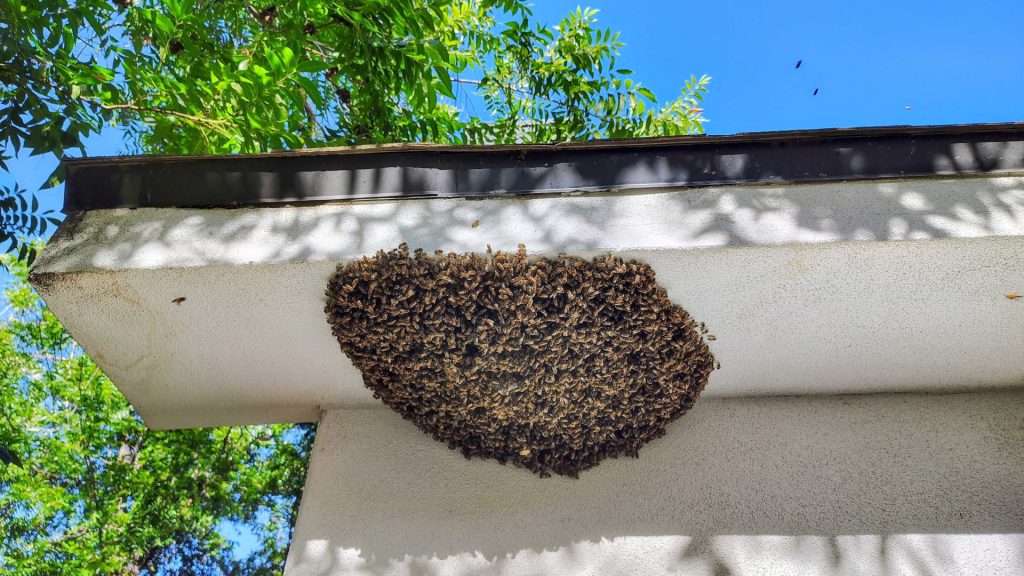
Phoenix homeowners often find an unwelcome surprise in their backyard sheds: a bustling bee colony that has moved in together quietly into the shed. With garden tools and holiday decorations gathering dust in the corners of your property, the Valley’s unique desert climate and urban landscape offer inviting spaces for bees to make themselves at home in man-made structures.
But these buzzing intruders are more of a nuisance. They are a real threat to families, especially those with allergies, and can really damage your shed and the areas around it. That leads to an even bigger problem since Arizona has both good honeybees and aggressive Africanized bees, so they need to be identified.
If you suspect bee activity, then it is best to call professionals from Green Mango Pest Control to assess the situation to ensure you and your family remain safe and that bees are managed correctly.
Why Backyard Sheds Appeal to Bees in Phoenix
- Protection from Extreme Desert Heat
Sheds offer a shelter for colonies of bees, especially in the blistering hot Phoenix summer months, when temperatures can exceed 115°F. This offers essential shade and a slightly cooler place for bees to endure the beating desert sun.
- Year-Round Shelter Availability
Additional bonuses are that they offer complete protection through our mild winter and blistering summer months, which seasonal structures do not. They can settle in one place permanently without fear of weather disturbances.
- Minimal Human Disturbance
Since outdoor activity diminishes during the summer months, most Phoenix residents underuse their sheds. This creates no-disturbance zones where bee colonies can expand free of disturbance for months at a time.
- Ideal Nesting Cavities
Gaps, cracks, and hollow spaces, indicative of many shed constructions, are ideal for bee colony establishment. Carpenter bees are especially fond of wooden structures, and enclosed areas will store swarming honeybees.
- Urban Heat Island Effect Benefits
In the winter months, Phoenix’s urban heat island effect benefits bees, providing a place where temperatures are 5-7°F higher than the surrounding desert, thus extending the bees’ active season and growing time.
Risks of Having Beehives So Close to the Home
- Major Africanized bee attacks – Arizona is home to lots of Africanized bees, which may swarm in large numbers when they feel threatened
- The hazards of an allergic reaction – More stings around your house mean more chances for a family member with an allergy to bees
- Potential property damage – Rounded colonies can chew through shed walls, insulation, and electrical components as they nest.
- More swarms – Established bees often draw in swarms of honeybees, creating your bee issue by the numbers
- Wood-borne honey – Honey deposits can ooze into wood, leading to irreversible staining and the attraction of other pests, such as ants
Why Beehives in Sheds Often Go Unnoticed Until They Are Large
Fortunately, Phoenix’s near-unbearable summer heat deters most homeowners from visiting their backyard sheds during the months when bees are most active. However, once the temperature rises past 110°F, not many want to step inside these metal or wood ovens. Spring and early summer are when bee colonies grow fastest; the exact time of year when they shed plummets. A few bees in March can become thousands by August without homeowners being any the wiser.
When Professional Removal Becomes the Safer Choice
After bees have moved into Phoenix sheds, DIY removals frequently create emergencies. Suppose they are disturbed from a large colony, especially if they are Africanized bees. In that case, the entire colony can become alarmed and attack you, your family, and even your neighbor’s family.
When much more aggressive colony behavior is noticed, there are several entry points, or if evident structural impairment has occurred, professional bee removal will be required. Businesses such as Green Mango Pest Control provide professional, safe assessment and removal of bee colonies in the Phoenix metropolitan area. They know which honeybees are worth relocating to and which aggressive species must be removed as soon as possible.