
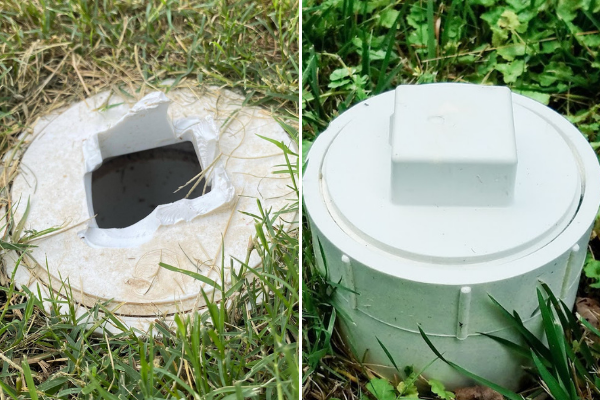
What Is a Drain Cleanout? (Complete Beginner Guide)
A drain cleanout is a capped access point installed on your home’s drainage system. It allows plumbers—and sometimes homeowners—to easily access the main sewer or drain line for inspections, cleaning, and emergency blockages.
The drain cleanout is usually a short pipe that sticks out from the ground, wall, or floor and is sealed with a removable cap. While it may look insignificant, this small plumbing feature plays a huge role in keeping your home safe from backups, foul odors, and structural water damage.
In simple terms, the drain cleanout acts like a maintenance doorway to your plumbing system. Instead of tearing through walls or floors during a clog, professionals can access the problem directly through the cleanout.
Why a Drain Cleanout Is Essential for Every Home
A properly installed drain cleanout offers several critical benefits:
- Prevents sewage backups
- Speeds up drain cleaning
- Reduces repair costs
- Protects flooring and foundations
- Ensures code compliance
Without a drain cleanout, even a minor clog can turn into a major plumbing disaster. Modern building codes often require at least one drain cleanout for this very reason.
Where Is the Drain Cleanout Located?
Drain cleanout locations vary depending on home design and age. Common places include:
1. Outside the Home
Often found near the foundation, usually capped with white or black PVC.
2. Basement or Crawl Space
Look for a capped pipe near the floor or wall.
3. Front Yard or Driveway
Some sewer cleanouts are flush with the ground and covered by a metal or plastic cap.
4. Bathroom or Utility Room
Older homes may have cleanouts hidden behind access panels.
Knowing where your drain cleanout is located can save precious time during a plumbing emergency.
How a Drain Cleanout Works During a Clog
When a clog occurs, plumbers open the drain cleanout cap and insert professional tools such as:
- Drain snakes
- Hydro-jetting hoses
- Inspection cameras
This direct access allows blockages to be removed safely and efficiently—without damaging your plumbing system.
Types of Drain Cleanouts You Should Know
Interior Drain Cleanout
Installed inside the home, often in basements or utility rooms.
Exterior Drain Cleanout
Located outside, making it ideal for quick emergency access.
Main Sewer Cleanout
Connects directly to the city sewer or septic system.
Each type serves the same purpose but differs in accessibility and placement.
Signs Your Drain Cleanout Needs Attention
You may need to inspect or service your drain cleanout if you notice:
- Slow draining sinks or tubs
- Gurgling sounds in pipes
- Sewage smells indoors or outdoors
- Water backing up into lower drains
Ignoring these warning signs can lead to costly repairs.
Can Homeowners Use a Drain Cleanout Themselves?
Yes—but with caution.
Homeowners can safely:
- Remove the cleanout cap
- Perform visual inspections
- Use light manual drain snakes
However, high-pressure tools or hydro-jetting should always be left to professionals. Improper use can damage pipes or cause sewage exposure.
Drain Cleanout vs. Floor Drain: What’s the Difference?
| Feature | Drain Cleanout | Floor Drain |
|---|---|---|
| Purpose | Access for cleaning | Drain excess water |
| Cap | Sealed, removable | Open with grate |
| Usage | Maintenance & repair | Flood prevention |
They may look similar, but their functions are completely different.
Are Drain Cleanouts Required by Code?
In many regions, yes. Modern plumbing codes require at least one drain cleanout for residential properties, especially near the main sewer connection.
Homes without one may face:
- Higher plumbing costs
- Failed inspections
- Increased risk of sewage damage
If your home lacks a drain cleanout, a licensed plumber can install one.
How Often Should a Drain Cleanout Be Inspected?
Experts recommend:
- Once a year for routine checks
- Immediately if recurring clogs occur
Regular inspections help detect issues before they become emergencies.
Common Mistakes Homeowners Make with Drain Cleanouts
- Landscaping over outdoor cleanouts
- Sealing caps too tightly
- Ignoring minor leaks
- Using harsh chemicals
These mistakes can make future plumbing work more expensive and dangerous.
FAQs About Drain Cleanout
1. What does a drain cleanout look like?
Usually a short pipe with a threaded cap, often white or black.
2. Is a drain cleanout the same as a sewer cleanout?
A sewer cleanout is a type of drain cleanout connected to the main sewer line.
3. Can a missing drain cleanout cause problems?
Yes, it makes clearing clogs harder and increases repair costs.
4. Should a drain cleanout cap be airtight?
Yes, to prevent sewer gas leaks.
5. How much does it cost to install a drain cleanout?
Costs vary but are far cheaper than repairing sewer backups.
6. Can tree roots clog a drain cleanout?
Roots clog the sewer line—not the cleanout—but the cleanout allows easy removal.
Conclusion: Why Your Drain Cleanout Deserves Attention
Your drain cleanout may not be the most exciting part of your home, but it is one of the most important. It protects your property, saves money, and makes plumbing maintenance far easier.
Understanding where it is, how it works, and when to use it can help you avoid emergencies and keep your plumbing system running smoothly for years to come.