
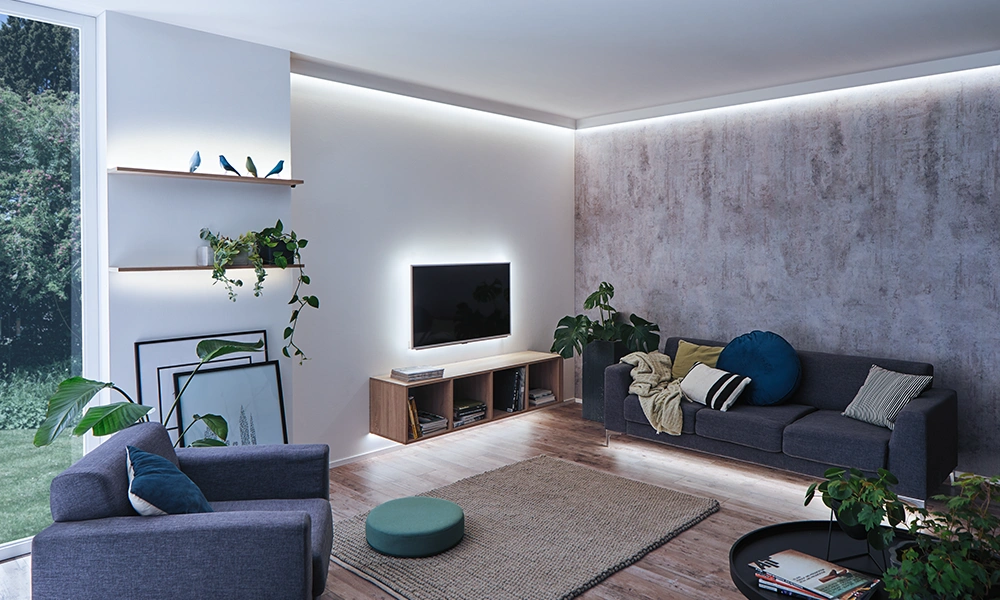
Eye strain has become increasingly common as people spend more time indoors, working on screens, reading, or using digital devices. While posture and screen habits play a major role, the way your room is lit has an even greater impact on visual comfort. Poor lighting can lead to headaches, blurry vision, fatigue, and difficulty focusing. The good news? You can ease these issues by thoughtfully planning your lighting.
Here are seven effective ways to light a room so your eyes stay relaxed throughout the day.
Maximise Natural Light
Natural light is the most comfortable and eye-friendly source of illumination. It offers balanced brightness, reduces reliance on artificial lighting, and helps your eyes maintain a healthy rhythm between brightness and rest.
To make the most of daylight, keep windows clear of heavy drapes or bulky furniture. Use sheer curtains to soften harsh sunlight without blocking it out entirely. Position workspaces near windows but avoid facing the sun directly to prevent glare on screens. Even cloudy daylight provides better visual comfort than relying solely on artificial light.
The key is to allow consistent, even natural illumination across the room. When natural and artificial lighting work together, your eyes adapt more smoothly throughout the day.
Choose Soft LED Light
When daylight fades, your eyes depend on indoor lighting. Soft LED lighting provides even illumination without the harshness that can lead to discomfort. These lights distribute brightness smoothly across a room, making them ideal for everyday tasks like reading, relaxing, or working.
Use diffused fixtures or shaded lamps that soften the light before it reaches your eyes. Harsh, direct beams force your pupils to adjust continuously, causing strain over time. Soft LED setups work beautifully in ceiling lights and complementary lighting layers throughout the room.
Try mixing overhead lights with side lamps or wall lights to avoid the harshness of a single, concentrated source. This helps your eyes stay relaxed and reduces visual fatigue during long periods indoors.
Add Dimmable Options
Lighting needs to change throughout the day. Your eyes feel comfortable at different brightness levels depending on your tasks, mood, and the available natural light. This is why dimmable lighting makes a noticeable difference.
Dimmers let you fine-tune the intensity of your ceiling lights, table lamps, or pendant lights to achieve the ideal level of illumination. Bright lighting is helpful for daytime focus, while lower light in the evening reduces glare, supports relaxation, and prepares your eyes for rest.
With dimmable controls, you can gradually adjust lighting levels instead of exposing your eyes to sudden changes in brightness, which often cause discomfort.
Include Task Lighting
General lighting alone is not enough when you need clarity for focused activities. Task lighting directs brightness where it’s needed most: on your reading material, keyboard, chopping board, or hobby workspace.
Use adjustable or directional task lighting to prevent shadows and reduce the effort your eyes must exert to focus. The supplementary light supports your main light source, helping maintain an even, comfortable visual field.
Task lighting is especially important in rooms where pendant lights or overhead fixtures provide softer ambient illumination. Adding a focused beam fills the gap between general light and detailed work, preventing squinting or leaning closer to see clearly.
Place Lights Thoughtfully
Where you place your lights matters just as much as the type of lights you use. Poor positioning can cause uneven brightness, distracting shadows, and glare.
Position overhead lights so they illuminate the room evenly rather than creating bright spots directly above your eyes. Place table lamps slightly behind or to the side of your work area so the beam spreads naturally. If you use screens, ensure light does not reflect directly off them. Reflections force the eyes to adjust constantly and can make it harder to read text or view images.
For overhead lighting, thoughtful placement of ceiling lights and pendant lights helps avoid sharp contrasts between dark and bright areas. Smooth lighting transitions are key to reducing strain.
Use Light Colours Indoors
The colours of your walls, ceilings, and furniture affect how light spreads across the room. Light shades reflect illumination, helping create a soft, even glow that reduces the need for very bright artificial lighting.
Light-coloured walls and surfaces, such as whites, creams, pale greys, and soft pastels, bounce light efficiently, making the room feel brighter without extra intensity. This reduces the burden on your eyes and keeps visual contrast at comfortable levels.
Dark colours, on the other hand, absorb light and increase contrast. This forces your eyes to work harder, especially in low-light conditions. If you prefer darker interiors, balance them with ample lighting sources placed throughout the room.
Maintain Balanced Lighting
Eye strain often occurs when a room has strong brightness contrasts: bright screens in dark rooms, a single overhead light in an otherwise dim space, or sunlight streaming into a poorly lit area.
To avoid this, aim to balance light levels across your room. Combine natural light with evenly distributed artificial lighting so the transition between bright and dim areas is minimal. Use a mix of ambient, task, and accent light sources rather than relying on a single fixture.
Balanced lighting supports focus, comfort, and long-term eye health.
Light Your Space with Visual Comfort in Mind
Creating an eye-friendly room is not just about adding more light; it’s about choosing the right type, strength, colour, and placement of lighting. When natural and artificial sources work together, and brightness levels stay balanced, your eyes remain relaxed throughout the day.