
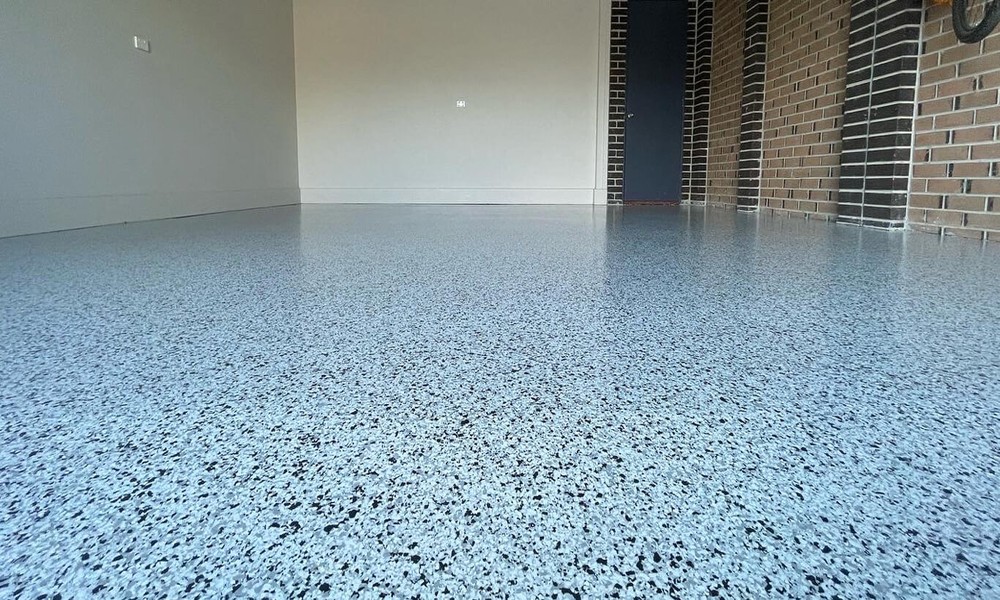
When it comes to designing a safe, efficient, and hygienic workplace, flooring often goes overlooked. Yet, the type of flooring installed can significantly impact both employee safety and overall cleanliness. This is where epoxy flooring has emerged as a game-changer across industries-from manufacturing units to hospitals, commercial kitchens, and warehouses. With its durable finish and hygienic properties, epoxy flooring is transforming work environments for the better.
What Is Epoxy Flooring?
Epoxy flooring is a coating system that combines resin and hardeners to form a rigid, smooth, and durable surface. Applied over concrete or other substrates, it creates a seamless, non-porous layer that resists chemicals, stains, and wear. Unlike traditional flooring options like tiles or vinyl, epoxy offers both aesthetic appeal and functional benefits, making it a smart choice for workplaces that demand high standards of safety and cleanliness.
Enhancing Workplace Safety with Epoxy Flooring
One of the most compelling advantages of epoxy flooring is its ability to improve workplace safety. Here’s how:
Slip-Resistant Surfaces
Slips and falls are among the most common workplace accidents. Epoxy flooring can be customized with anti-slip additives that provide traction without compromising the smooth, polished finish. This is particularly important in areas prone to moisture, spills, or heavy foot traffic, such as kitchens, laboratories, and factories.
Durable and Impact-Resistant
Epoxy floors are exceptionally tough and resistant to impacts, abrasions, and heavy machinery. In industrial environments, where forklifts, carts, or tools are frequently in use, epoxy can withstand constant wear and tear. This durability reduces the risk of floor damage that might otherwise cause tripping hazards or unsafe conditions.
Clear Visibility for Safety Markings
Many workplaces require clear demarcation of zones, pathways, and hazardous areas. Epoxy flooring can be customized with bright, durable markings and color coding that remain visible over time. This feature improves visual safety cues and helps employees navigate complex environments safely.
Promoting Hygiene and Cleanliness
Workplace hygiene is critical not only for employee health but also for operational efficiency, particularly in healthcare, food processing, and pharmaceutical industries. Epoxy flooring contributes to hygiene in several ways:
Seamless, Non-Porous Surface
Unlike tiles or wooden floors, epoxy floors are seamless and non-porous. This means there are no cracks, grout lines, or gaps where dirt, bacteria, or mold can accumulate. Cleaning becomes faster and more effective, ensuring a consistently hygienic surface.
Resistance to Chemicals and Stains
Many workplaces deal with chemicals, oils, or other hazardous substances. Epoxy flooring is highly resistant to these agents, preventing stains and degradation. This resistance not only maintains a clean appearance but also ensures that potentially harmful substances do not penetrate the floor, which could pose health risks.
Easy to Clean and Maintain
Routine cleaning is a breeze with epoxy flooring. Spills can be wiped up immediately, and periodic scrubbing with standard cleaning agents keeps the floor spotless. This simplicity reduces downtime for maintenance and minimizes exposure to harmful cleaning chemicals, making the workplace safer for janitorial staff as well.
Epoxy Flooring in Different Industries
The benefits of safety and hygiene make epoxy flooring a versatile solution across various sectors:
- Healthcare: Hospitals and clinics require sterile, easy-to-clean surfaces. Epoxy’s non-porous nature helps prevent bacterial growth and supports infection control protocols.
- Food Processing: Kitchens, bakeries, and processing plants benefit from slip-resistant and chemical-resistant epoxy floors that can withstand frequent washing and sanitation.
- Warehouses and Factories: Heavy machinery, forklifts, and chemical handling require floors that resist wear, maintain safety markings, and minimize slip hazards.
- Pharmaceutical Labs: Cleanrooms and laboratories rely on seamless, chemical-resistant floors to maintain high hygiene standards and ensure compliance with industry regulations.
Sustainability and Long-Term Benefits
Investing in epoxy flooring also contributes to sustainability and long-term operational efficiency. Its durability reduces the need for frequent replacements, saving resources and minimizing construction waste. Moreover, many epoxy systems are low-VOC (volatile organic compound), improving indoor air quality and creating a healthier workspace.
Conclusion
Safety and hygiene are non-negotiable elements in any workplace. By choosing epoxy flooring dubai, businesses can create environments that protect employees, reduce accidents, and maintain high standards of cleanliness. From slip-resistant surfaces to chemical resistance and easy maintenance, epoxy offers a comprehensive solution that blends practicality with aesthetic appeal.
Whether in healthcare facilities, industrial plants, or commercial kitchens, epoxy flooring proves to be more than just a surface-it’s an investment in safety, hygiene, and productivity. For organizations aiming to build a secure and clean workplace, epoxy flooring is not just a choice; it’s a strategic necessity.