
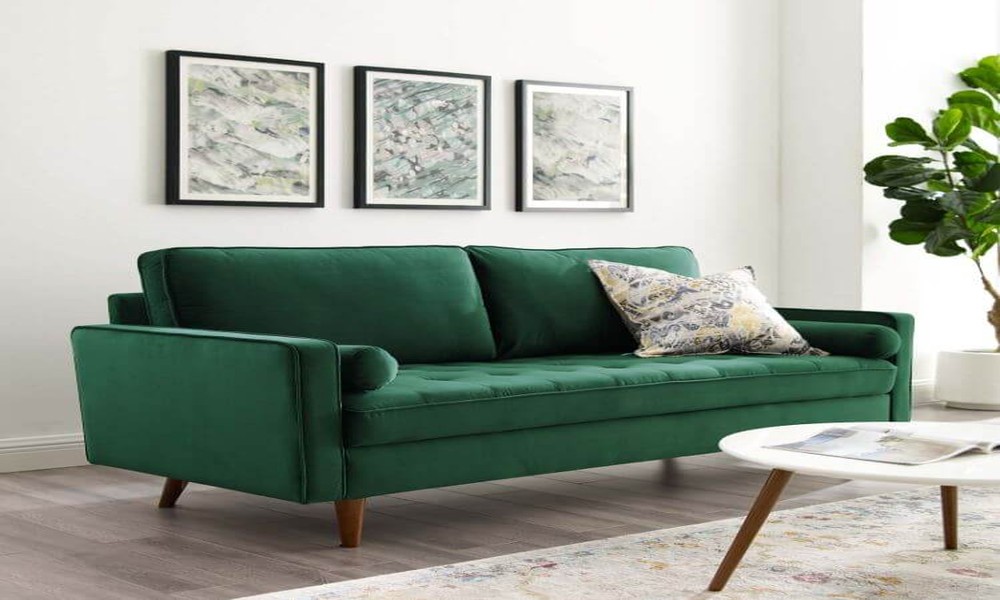
As sustainability becomes more than just a trend, homeowners are rethinking how their interior choices impact the environment. One of the most overlooked yet impactful upgrades is sofa upholstery. Since sofas are central to living spaces and used daily, choosing eco-friendly upholstery can significantly reduce your carbon footprint while enhancing comfort and style.
In this guide, we’ll explore sustainable sofa upholstery materials, their benefits, and how they contribute to a greener home.
Why Choose Eco-Friendly Sofa Upholstery?
Traditional upholstery materials often contain synthetic fibers, chemical dyes, and treatments that release harmful emissions into the environment. Many mass-produced fabrics are petroleum-based and non-biodegradable, contributing to landfill waste.
Eco-friendly sofa upholstery focuses on:
Sustainable raw materials
Reduced chemical processing
Ethical production methods
Longevity and durability
Lower environmental impact
By making a conscious choice, you not only protect the planet but also create a healthier indoor environment for your family.
Popular Sustainable Sofa Upholstery Fabrics
1. Organic Cotton
Organic cotton is grown without synthetic pesticides or fertilizers, making it safer for farmers and ecosystems. Unlike conventional cotton, organic farming methods use less water and promote soil health.
Benefits:
Soft and breathable
Hypoallergenic
Biodegradable
Comfortable for all seasons
Organic cotton upholstery works well in family homes due to its natural comfort and timeless appearance.
2. Linen
Linen is made from flax fibers, which require significantly less water and chemicals compared to other crops. It is highly durable and naturally resistant to pilling.
Benefits:
Extremely durable
Naturally antibacterial
Breathable and lightweight
Biodegradable
Linen upholstery gives sofas a relaxed, elegant look that fits perfectly in modern and minimalist interiors.
3. Recycled Polyester
Recycled polyester is created from post-consumer plastic bottles and waste materials. It helps reduce plastic pollution while offering durability comparable to conventional synthetic fabrics.
Benefits:
Diverts plastic from landfills
Strong and stain-resistant
Long-lasting
Low maintenance
This material is ideal for high-traffic households that need durability without compromising sustainability.
4. Hemp Fabric
Hemp is one of the most eco-friendly crops in the world. It grows quickly, requires minimal water, and enriches the soil. Hemp upholstery fabric is strong and becomes softer over time.
Benefits:
Highly durable
Mold and mildew resistant
Naturally pest-resistant
Biodegradable
Hemp is perfect for those looking for long-term sustainability and a natural, earthy aesthetic.
5. Vegan Leather
Traditional leather production has a heavy environmental footprint. Vegan leather made from plant-based materials such as pineapple fibers, cactus, or apple peels offers a sustainable alternative.
Benefits:
Animal-friendly
Lower environmental impact
Stylish and modern
Easy to clean
Plant-based vegan leather delivers a luxurious appearance without harming animals or the environment.
Health Benefits of Sustainable Upholstery
Eco-friendly sofa fabrics are not just good for the planet-they’re also beneficial for indoor air quality. Many conventional fabrics are treated with flame retardants, stain repellents, and chemical dyes that release volatile organic compounds (VOCs).
Sustainable upholstery options typically:
Contain fewer toxic chemicals
Reduce indoor air pollution
Minimize allergic reactions
Provide a safer environment for children and pets
Switching to natural and certified materials creates a healthier home atmosphere.
Durability and Long-Term Value
One common misconception is that eco-friendly fabrics are less durable. In reality, many sustainable materials like hemp and linen are incredibly strong and long-lasting.
Investing in high-quality sustainable upholstery means:
Fewer replacements
Reduced furniture waste
Better long-term savings
Lower environmental impact over time
Durability is a key component of sustainability. The longer your sofa lasts, the less waste ends up in landfills.
How to Identify Truly Sustainable Upholstery
Not all products labeled “eco-friendly” are genuinely sustainable. Look for certifications and transparency in sourcing.
Key things to check:
Organic certifications (such as GOTS for cotton)
Low-VOC or chemical-free treatments
Recycled material content
Ethical manufacturing processes
Researching the supplier’s sustainability practices ensures your purchase aligns with your values.
Styling Eco-Friendly Sofa Upholstery
Sustainable fabrics are available in a wide range of colors, textures, and finishes. Today’s eco-friendly upholstery doesn’t compromise on aesthetics.
You can create:
Minimalist interiors with neutral linen
Cozy, textured spaces with organic cotton blends
Modern luxury looks with vegan leather
Earthy, natural themes with hemp fabric
Pair sustainable upholstery with wooden frames made from responsibly sourced timber for a fully eco-conscious design.
Reupholstery: A Sustainable Alternative
If your sofa frame is still in good condition, reupholstering instead of buying new furniture is one of the most eco-friendly decisions you can make. Reupholstery reduces waste and extends the life of existing furniture.
Benefits include:
Lower carbon footprint
Custom design flexibility
Cost-effective upgrades
Reduced landfill waste
Choosing sustainable fabric for reupholstery maximizes environmental benefits.
Final Thoughts
Eco-friendly sofa upholstery is more than a design trend-it’s a responsible lifestyle choice. By selecting sustainable fabrics like organic cotton, linen, recycled polyester, hemp, or plant-based vegan leather, you contribute to environmental preservation while enhancing your home’s comfort and style.
As consumers become more environmentally conscious, sustainable furniture solutions are shaping the future of interior design. Making small but meaningful changes, like upgrading your sofa upholstery, can lead to a greener, healthier, and more stylish home.
If you’re planning your next interior upgrade, consider eco-friendly sofa upholstery Abu Dhabi as a smart investment for both your living space and the planet.