
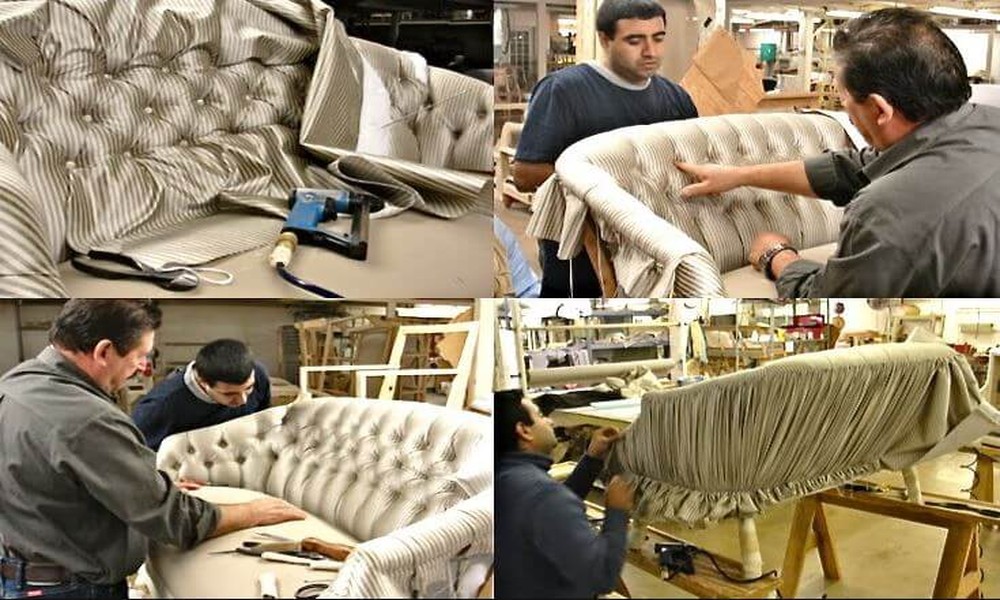
A worn-out sofa doesn’t have to mean the end of its life or a hefty replacement bill. With a little creativity and the right techniques, you can give your old sofa a complete makeover-revamping its style, color, and texture-without breaking the bank. DIY sofa upholstery is not only cost-effective but also a rewarding project that allows you to personalize your living space and breathe new life into your furniture.
In this guide, we’ll explore step-by-step methods, materials, and tips to transform your sofa on a budget, all while ensuring a professional-looking finish.
Why Consider a DIY Sofa Makeover?
There are several reasons why DIY upholstery is gaining popularity:
Cost Savings – Professional reupholstery can be expensive. A DIY approach allows you to achieve similar results at a fraction of the cost.
Sustainability – Upcycling old furniture reduces waste and promotes an eco-conscious lifestyle.
Customization – DIY projects give you complete control over fabrics, colors, patterns, and textures, enabling you to match your interior design perfectly.
Personal Satisfaction – Completing a DIY makeover can be a fun and fulfilling experience, giving you a sense of accomplishment and pride in your home.
Materials You’ll Need
Before starting, gather the following tools and materials:
Upholstery fabric (cotton, linen, velvet, or synthetic blends)
Upholstery foam or batting (if cushions need padding)
Staple gun and staples
Screwdriver and pliers
Scissors and measuring tape
Upholstery tacks or decorative nails (optional)
Fabric glue or spray adhesive (optional for minor adjustments)
Sewing machine (for cushion covers or intricate detailing)
Selecting the right fabric is crucial. Consider durability, texture, and ease of cleaning. For a budget-friendly option, recycled fabrics or offcuts from upholstery suppliers can also work.
Step-by-Step DIY Sofa Upholstery Makeover
Prepare Your Workspace
Choose a clean, well-lit area with enough space to move around the sofa. Remove all cushions and detachable parts. Lay down a protective sheet or cardboard to avoid damage to the floor.
Remove Old Fabric
Carefully remove the existing upholstery using a screwdriver and pliers to take out staples or tacks. Take note of how the fabric is attached, as this will guide you when installing the new material. Keep old pieces as templates for cutting your new fabric.
Inspect and Repair
Check the frame, springs, and cushions for any damage. Tighten loose screws, reinforce weak areas, and replace worn-out foam or batting to ensure your sofa is structurally sound and comfortable.
Measure and Cut New Fabric
Use the old fabric pieces as templates to cut your new material. Add an extra 2-3 inches on all sides for stapling and tucking. Precision at this stage is key to achieving a neat finish.
Attach the Fabric
Start from the back of the sofa and work your way around. Pull the fabric taut but not overly tight to prevent warping. Use a staple gun to secure the material in place, folding corners neatly for a polished look.
Reupholster Cushions
If your sofa cushions are removable, consider making new covers or sewing slipcovers. This allows for easy cleaning and even gives you the option to change patterns seasonally.
Add Finishing Touches
Once the fabric is secured, add decorative tacks or trim if desired. Smooth out any wrinkles and ensure all staples are hidden or tucked away. Finally, reattach cushions and any sofa components removed earlier.
Design Ideas on a Budget
Even with a modest budget, you can achieve striking results:
Bold Patterns – Choose geometric, floral, or abstract prints for a modern, eye-catching look.
Two-Tone Upholstery – Mix fabrics, such as velvet for cushions and linen for the frame, to create a layered and textured aesthetic.
Accent Details – Add piping, buttons, or trim to elevate the sofa’s visual appeal without significant cost.
Rugs and Throws – Complement your refreshed sofa with Area Rugs or Patch Rugs to tie the room together and add warmth.
Tips for a Professional Finish
Take Your Time – Rushing can result in uneven stapling or wrinkles.
Use Quality Fabric – Even budget-friendly materials should be durable to withstand daily use.
Practice Folding Techniques – Corners and seams require precision for a clean, tailored look.
Keep Tools Handy – Having a staple gun, scissors, and pliers within reach saves time and frustration.
Layer Textures – Incorporate soft cushions or throws to enhance comfort and style.
Final Thoughts
DIY sofa upholstery Abu Dhabi is a fantastic way to transform an old sofa into a centerpiece for your living room without overspending. Beyond the financial benefits, it’s an opportunity to personalize your space, embrace sustainability, and develop a rewarding skill.
With careful planning, the right materials, and attention to detail, even a beginner can achieve professional-looking results. From bold patterns to subtle textures, your updated sofa can reflect your unique style while breathing new life into your home.
By investing a little time and creativity, your old sofa can become a refreshed, stylish, and cozy addition that elevates your entire living space.