
Key Takeaways:
- 24 hour electricians are crucial for emergencies, providing swift restoration of power and ensuring safety.
- Common emergency scenarios include power outages, flickering lights, tripped breakers, and burning smells.
- Verify the qualifications and certifications of electricians to ensure they meet safety standards.
- Utilize online reviews and personal recommendations to assess the reliability and reputation of electricians.
- Exceptional customer service is essential; electricians should prioritize communication and personalized solutions.
- Create an emergency electrical kit with essential tools and familiarize household members with it.
- Identify potential risks in your home’s electrical systems to reduce the chance of emergencies.
- Develop a quick response plan for electrical issues, educating the family on emergency procedures.
- Understand pricing structures (flat rate vs. hourly fees) when hiring a 24 hour electrician.
- Be aware that emergency service costs may vary based on the time of day the service is requested.
- Establish an emergency fund for unforeseen electrical repairs to alleviate financial strain during crises.
Understanding the Importance of 24 Hour Electricians
Why Emergencies Can’t Wait: Your Light in the Dark
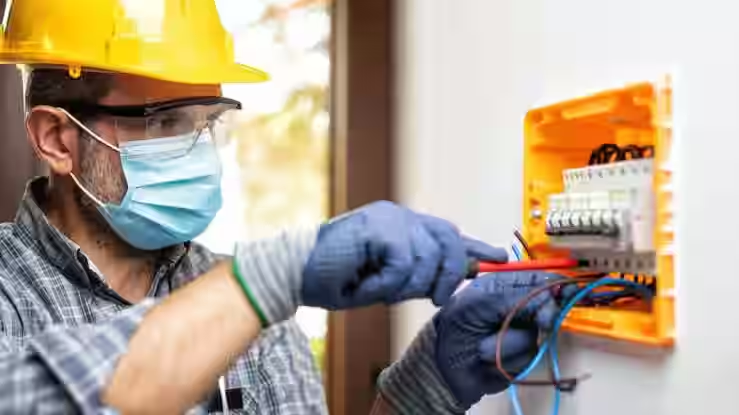
In today’s fast-paced world, the reliability of electrical systems is paramount to our everyday lives. When the lights go out or a circuit malfunctions, it can trigger a wave of panic, particularly if it happens unexpectedly during the night or at inconvenient hours. These emergencies often occur without warning and can escalate quickly, leading to potential hazards like electrical fires or severe damage to appliances and home wiring. A dependable 24 hour electrician is essential for providing immediate assistance during these critical situations. Not only do they restore power and operation, but they also ensure safety by addressing malfunctioning systems before they can lead to disastrous outcomes.
The Role of 24 Hour Electricians in Ensuring Safety
24 hour electricians play a vital role beyond mere restoration of power. Their expertise goes from diagnosing the root causes of electrical problems to implementing comprehensive solutions that mitigate risks in the future. These professionals are trained to adhere to safety protocols that protect both the home and its inhabitants during emergencies. They perform inspections to ensure that electrical systems meet local and national safety standards and codes, providing peace of mind that their interventions will not only resolve immediate concerns but also enhance the overall safety of the electrical infrastructure in your home.
Common Scenarios That Require Immediate Electrical Attention
Some of the most common emergencies that necessitate the services of a 24 hour electrician include power outages, flickering lights, tripped circuit breakers, and burning smells associated with electrical devices. Power outages that occur sporadically can disrupt daily routines and may suggest an underlying issue that requires professional assessment. Flickering lights might indicate overloaded circuits, while repeatedly tripping circuit breakers can be a sign of faulty wiring or overloaded systems. Additionally, burning smells could signal overheating wires, which can lead to dangerous electrical fires if not addressed immediately. Understanding and recognizing these scenarios can empower homeowners to act swiftly, seeking help from qualified professionals before small issues escalate into catastrophic failures.
Finding the Right 24 Hour Electrician: What to Look For
Key Qualifications and Certifications to Consider
Choosing the right 24 hour electrician is not just about finding someone available at unconventional hours. It is vital to ensure that the electrician you hire holds the necessary qualifications and certifications that demonstrate their competency and commitment to safety standards. Licensed electricians have undergone rigorous training, often completing apprenticeships that provide hands-on experience. It is prudent to verify that the electrician’s license is valid and that they are insured to work in your area. Furthermore, consider any additional certifications that highlight specialized skills, such as those related to home automation or advanced renewable energy systems. These credentials not only reflect expertise but also reassure homeowners of their professionalism and dedication to providing high-quality service.
How to Verify Reliability and Reputation
In the age of digital information, verifying the reliability and reputation of potential electricians has never been easier. Start by reading online reviews from previous customers, which can provide insights into the electrician’s workmanship and customer service. Websites like Angie’s List, Yelp, and Google Reviews serve as platforms for obtaining firsthand accounts of an electrician’s performance. Additionally, consider asking for referrals from family, friends, or neighbors—personal recommendations often come with trusted endorsements. Conducting thorough research can also involve checking with local consumer protection agencies or the Better Business Bureau to ensure there are no unresolved complaints against a prospective electrical service provider. A reputable electrician will be transparent about their past work and willing to provide references or proof of prior accomplishments.
The Value of Personalized Customer Service
The hallmark of a great electrician goes beyond technical skills; it encompasses exceptional customer service that prioritizes client needs. A 24 hour electrician who values personalization often demonstrates a willingness to answer questions, explain processes in understandable terms, and follow-ups after services rendered. It’s important to find professionals who approach their job as a partnership with clients, offering tailored solutions based on individual circumstances rather than a one-size-fits-all methodology. Good communication fosters trust, which not only eases the emergency handling process but also reassures homeowners that they are receiving the best advice for their specific electrical challenges. When 24 hour electricians treat clients with respect and empathy, it significantly enhances the quality of service and overall customer satisfaction.
How to Prepare for Electrical Emergencies: A Proactive Approach
Creating an Emergency Electrical Kit
As with any emergency situation, preparation is key. Establishing an emergency electrical kit could prove invaluable when unexpected electrical issues arise. This kit should include essential tools and items such as a flashlight, batteries, basic hand tools (screwdriver, pliers), electrical tape, circuit tester, and a surge protector. Ensure that the kit is easily accessible and that you familiarize your household members with its contents and location. Depending on your unique setup, consider including additional items such as a battery-operated radio for news updates during outages or a phone charger to maintain communication. This proactive approach reduces stress during crises and ensures that you’re equipped to handle basic situations while waiting for professional help.
Identifying Potential Risks in Your Home
A crucial part of preparing for electrical emergencies is recognizing the risks present in your home. Conducting a thorough audit of your electrical systems can help identify aged wiring, overloaded circuits, or outdated outlets that may put your home at risk. Pay attention to signs like frequent blown fuses, sparks, or discolored outlets, which might indicate a bigger problem lurking beneath the surface. Furthermore, consider the installation of ground fault circuit interrupter (GFCI) outlets in high-moisture areas like bathrooms and kitchens to reduce the likelihood of electrical shocks. Creating an inventory of high-risk areas within your home allows you to take the necessary preventive steps to minimize the chance of electrical emergencies occurring down the line.
Developing a Quick Response Plan for Electrical Issues
A quick response plan is crucial for every household since it outlines steps to take during an electrical emergency. Educate your family on the signs of an electrical issue and make sure everyone knows to immediately alert the responsible adult. This plan should include identifying all circuit breakers and their respective functions, ensuring everyone knows how to safely shut off electricity if necessary. Establish a communication plan that includes emergency contact numbers for local 24 hour electricians and family members who can provide assistance. Regularly reviewing and practicing your emergency procedures will instill confidence and knowledge in your family, allowing them to act effectively and swiftly when that crucial moment arises.
Cost Considerations: What to Expect When You Call an Electrician
Understanding Pricing Structures: Flat Rate vs. Hourly Fees
One of the most significant factors to consider when seeking 24-hour electrical services is the cost. Electricians typically employ different pricing structures, primarily flat rates or hourly fees. Flat rate pricing involves a predefined fee for specific services, offering predictability and transparency when budgeting for electrical repairs. This approach permits homeowners to know costs upfront without succumbing to surprises during billing. Conversely, hourly fees are charged based on time spent on the job, which may be more suitable for complex situations that require extensive work. It is essential to clarify which pricing model the electrician employs before work begins and to request estimates to manage expectations adequately and mitigate costs effectively.
The Impact of Time of Day on Emergency Service Costs
Another critical consideration affecting costs is the time of day when service is requested. Many electricians impose higher rates during off-hours, which include evenings, weekends, and holidays. This is due to the fact that emergency calls require workers to be available outside of standard business hours, which can disrupt their schedules. Knowing that you might incur premium charges helps you wisely assess whether the situation necessitates immediate attention or can wait until regular service hours. While emergencies should never be ignored, it is beneficial to understand the financial implications of calling for help during inconvenient hours, allowing you to make informed decisions during crises.
Tips for Budgeting for Unforeseen Electrical Repairs
When emergencies arise in the form of electrical failures, having a budget tailored toward unforeseen repairs is critically important. Firstly, establish an emergency fund dedicated explicitly to home repairs, which includes electrical issues. Aim to allocate a comfortable amount regularly, allowing for both minor and significant repairs without causing financial strain. Additionally, consider reviewing service contracts or warranties on existing appliances and systems, as they’re often overlooked sources of assistance in covering repairs. Regular preventative maintenance through routine inspections can also minimize the likelihood of emergencies, thereby protecting your overall budget. In essence, understanding your financial landscape and preparing accordingly can vastly ease the stress of unexpected electrical repairs while ensuring long-term safety and reliability.
FAQ
Question: What should I do if I experience a power outage during a storm? – During a storm, it’s essential to stay calm and ensure that all electrical devices are turned off to prevent damage. If the outage persists, contact your local utility provider first to report the outage and ask about estimated restoration times.
Question: How can I differentiate between a minor electrical issue and a serious emergency? – Minor issues may include flickering lights or tripped breakers that can be addressed once the electricity is stable. Serious emergencies, on the other hand, include burning smells, sparks, or consistently tripping breakers, which require immediate professional help to avoid hazards.
Question: Are there any common DIY electrical fixes I can do safely? – Simple tasks like replacing light bulbs, resetting circuit breakers, or replacing blown fuses can typically be done safely by homeowners. However, more complex electrical work should always be left to professionals to ensure safety and compliance with electrical codes.
Question: How often should I have my electrical system inspected? – It is recommended to have your electrical system inspected at least every three to five years, or more frequently if you experience frequent issues, to ensure everything is functioning safely and to identify any potential hazards early.
Question: What are some signs that I need to upgrade my electrical panel? – Symptoms include frequent tripped breakers, the presence of fuses rather than circuit breakers, flickering lights, or if your home uses an overload of extensions and power strips. Upgrading may be necessary to meet modern electrical demands.
Question: Can I perform my own electrical installations or should I hire a professional? – While minor repairs may be attempted with caution, installations such as wiring new circuits, installing outlets, or replacing panels should always be handled by a qualified electrician to ensure adherence to safety standards and local codes.
Question: What should I include in my emergency electrical kit? – Your emergency electrical kit should include a flashlight, extra batteries, basic hand tools (like screwdrivers and pliers), electrical tape, a circuit tester, and a surge protector among other essentials tailored to your household needs.
Question: How can family members be trained for electrical emergencies? – Educating family members about the signs of electrical issues, proper use of circuit breakers, and emergency contact numbers is key. Regular drills can build familiarity with procedures required during such emergencies.
Useful Resources
- National Fire Protection Association (NFPA)
- International Atomic Energy Agency (IAEA)
- National Electrical Manufacturers Association (NEMA)
- Electrical Safety Foundation International (ESFI)
- Schneider Electric
- Electrical Engineering Portal
- Maui Electric Company
- National Electrical Contractors Association (NECA)