
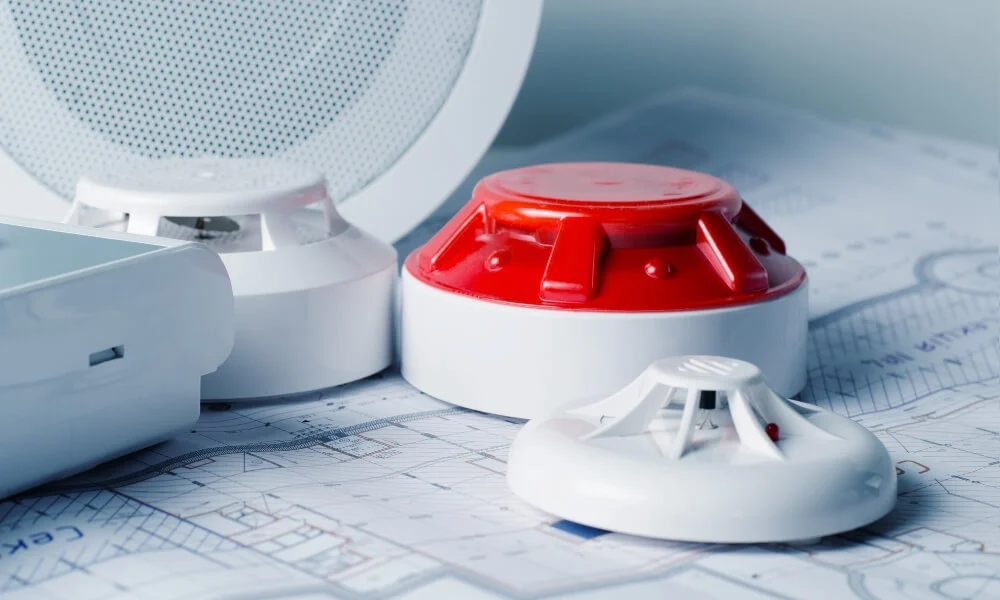
Fire alarm systems and fire alarm monitoring are essential for protecting lives, property, and business operations from the destructive impact of fire. These systems are designed to monitor and report normal, alarm, supervisory, and trouble conditions to ensure rapid and effective response.
This guide explores how fire alarm systems work, why compliance with fire codes—especially NFPA 72—is critical, how alarms move from detection to emergency response, and the key differences between third-party monitoring and in-house proprietary systems. After you have implemented professional fire alarm installation in Utah, we’ll also examine the main connectivity options available for modern fire alarm monitoring.
Why Operating Without Fire Alarm Monitoring Is Dangerous
Relying on fire alarms without professional monitoring exposes facilities to serious risks. While audible alarms alert occupants, they do not guarantee that emergency services will be notified in time. Key risks include:
Delayed emergency response
If no one is present to hear the alarm or call for help, valuable time may be lost before responders are dispatched. This delay can lead to increased property damage, injuries, or loss of life.
Human error during emergencies
In high-stress situations, occupants may panic, misjudge the situation, or fail to contact emergency services promptly, further slowing response efforts.
Undetected system failures
Without monitoring, issues such as power loss, damaged wiring, or communication failures may go unnoticed, leaving the building unprotected.
False sense of protection
Many assume that installing fire alarms alone guarantees safety. In reality, without monitoring, there is no assurance that help will be automatically dispatched during an emergency.
To reduce these risks, fire alarm systems should always be paired with a monitoring solution that complies with applicable codes and standards.
Understanding Fire Codes and the Importance of NFPA 72
The National Fire Alarm and Signaling Code, commonly known as NFPA 72, establishes requirements for the design, installation, testing, inspection, and maintenance of fire alarm and emergency communication systems.
Compliance with this code helps ensure that systems operate reliably and perform as intended during emergencies. NFPA 72 addresses critical components such as fire alarm control panels, initiating devices, notification appliances, and monitoring interfaces.
Following these standards not only enhances life safety but also helps organizations reduce liability and meet regulatory requirements.
How Fire Alarms Communicate with Emergency Responders
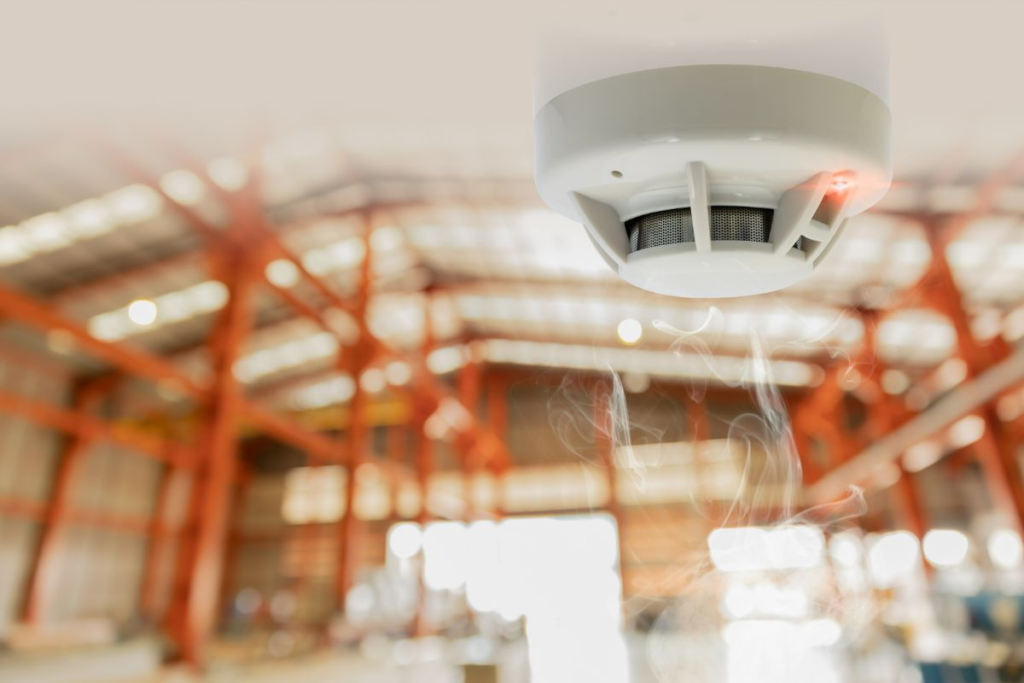
Fire alarm initiating devices are responsible for detecting fire-related conditions and activating the alarm system. Common initiating devices include smoke detectors, heat detectors, and manual pull stations. Early detection allows occupants to evacuate quickly and enables emergency services to respond without delay.
Between these devices and emergency responders sits the fire alarm control panel. This panel processes signals from initiating devices and transmits alarm, supervisory, or trouble conditions to the monitoring system.
Accurate and timely communication from the control panel is critical. Emergency responders rely on this information to make informed decisions and take appropriate action during a fire event.
Comparing Third-Party Monitoring and In-House Proprietary Systems
Fire alarm monitoring can be handled in two primary ways: through an external monitoring provider or by managing the system internally.
Third-party central station monitoring
This approach involves a dedicated monitoring facility that operates around the clock. When an alarm is triggered, signals are received, verified, and forwarded to emergency services. This option offers professional oversight and consistent response procedures.
In-house proprietary monitoring
With this model, an organization monitors its own fire alarm system using internal staff and dedicated equipment. While this allows greater control and potentially faster internal response, it requires trained personnel, redundant systems, and ongoing maintenance. This option is typically suited for large campuses or government facilities.
The best choice depends on budget, staffing, infrastructure, and risk tolerance.
Fire Alarm Connectivity Options Explained
Reliable communication is a core component of effective fire alarm monitoring. Several connectivity methods are available, each with unique strengths and limitations.
Traditional Telephone Dialers
Telephone-based communicators have long been used to transmit alarm signals to monitoring centers using dedicated phone lines.
Advantages
- Long history of dependable operation
- Compatible with many existing systems
Limitations
- Slower signal transmission compared to modern options
- Dependence on physical phone lines, which are increasingly difficult to maintain and vulnerable to damage or outages
Network and Internet-Based Communication
Fire alarm systems can also transmit signals using local networks, internet connections, or cellular data paths.
Advantages
- Faster alarm transmission
- Remote system access and management capabilities
Limitations
- Reliance on stable network or internet service
- Increased exposure to cybersecurity risks if not properly secured
Private Mesh Radio Systems
Private mesh radio networks use interconnected radio devices to transmit signals without relying on phone lines, internet service, or public cellular networks.
Advantages
- Highly resilient, self-healing communication paths
- Fast signal transmission
- Continued operation during widespread network outages
This option is often chosen for facilities that require maximum reliability during large-scale emergencies.
Choosing the Right Fire Alarm and Monitoring Strategy
The appropriate fire alarm system and monitoring solution depends on the specific goals and operational requirements of your facility.
Facilities prioritizing simplicity and compatibility may lean toward traditional methods. Those seeking faster communication and remote access may prefer network-based solutions. Organizations requiring uninterrupted operation during major emergencies often benefit from private radio systems.
There is no universal solution. Each facility should evaluate its risks, infrastructure, and compliance obligations before selecting a system.
Get Professional Guidance for Your Fire Alarm System
Selecting and designing a fire alarm and monitoring solution can be complex. Working with experienced professionals can help ensure that your system meets code requirements, aligns with operational needs, and delivers reliable protection.
A brief consultation can clarify available options, identify potential challenges, and provide a clear path forward for system design and implementation.