
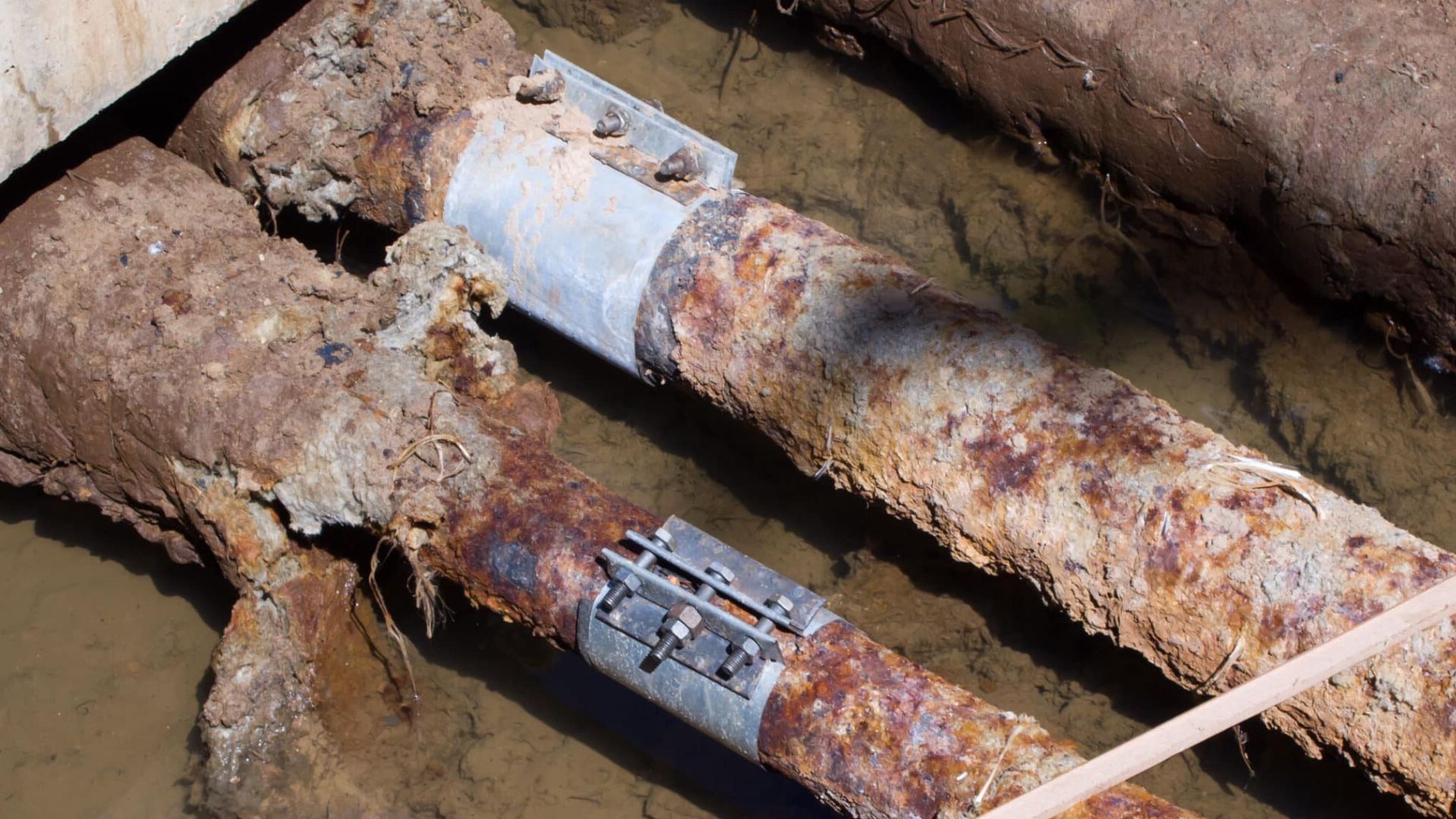
Owning a heritage or brick home brings a special sense of pride. These properties carry timeless charm, craftsmanship, and stories spanning generations. Yet beneath their beautiful exteriors often lie outdated systems that can be dangerous — particularly corroded gas pipes.
Many older homes still rely on ageing metal gas lines installed decades ago. Over time, these pipes quietly corrode inside walls or beneath floors due to moisture, soil conditions, and general wear. Unlike plumbing issues that are easy to spot, gas pipe corrosion is often invisible and among the most overlooked hazards in heritage homes.
Recognising these risks is an essential part of Heritage Building Restoration, ensuring that the home’s historical integrity is preserved while modern safety standards are met. Understanding the warning signs, potential risks, and who to call can make all the difference in protecting both your property and your family.
The silent threat of gas line corrosion
Gas pipe corrosion occurs gradually and silently. Internal gas lines in older homes are often made of iron or steel, which react with moisture and oxygen over time. As corrosion progresses, tiny holes and cracks develop, allowing gas to leak slowly into the home.
Because these pipes are usually hidden within walls or under concrete floors, the early stages of corrosion are easy to miss. By the time you notice symptoms, significant damage — and danger — may already exist. This is why homeowners should be especially cautious when living in heritage or brick properties that haven’t had their infrastructure upgraded in decades.
Warning signs of corroded gas pipes
Gas leaks can be difficult to detect, but a few early warning signs should never be ignored. Paying attention to the following indicators can help prevent serious accidents:
1. Smell of sulphur or rotten eggs
A distinct rotten egg smell is one of the most common signs of a gas leak. Gas suppliers add this odour to natural gas for safety. If you notice it indoors, it may indicate gas escaping from a corroded or damaged pipe.
2. Weak or uneven burner flames
A healthy gas flame should burn steady and blue. If your stove, heater, or water system shows smaller, yellowish flames, a restricted gas flow from corroded pipes could be the cause.
3. Hissing or whistling noises
A high-pitched hissing or whistling sound near a wall, ceiling, or floor could mean gas is escaping through a small hole or rusty joint in a pipe.
4. Dying indoor plants
Gas leaks can displace oxygen, which affects nearby houseplants. If plants close to gas lines are wilting or dying without explanation, it might signal a hidden leak.
5. Unexplained rise in gas bills
If your gas usage has stayed consistent but your bills are climbing, gas could be leaking through damaged pipes instead of reaching your appliances.
The real dangers of corroded gas lines
Corroded gas pipes are not just inefficient — they pose major safety risks that can lead to severe property damage and even loss of life.
1. Gas leaks
Leaking gas creates a serious fire and explosion hazard, particularly in enclosed spaces. Natural gas is highly flammable, and even a single spark can ignite it.
2. Carbon monoxide buildup
Corroded or damaged gas pipes can cause incomplete combustion in appliances, leading to the release of carbon monoxide — an odourless, colourless, and deadly gas that can accumulate unnoticed indoors.
3. Fire and explosion risk
Escaping gas in poorly ventilated areas greatly increases the chance of an explosion. This can result in catastrophic damage to both property and occupants.
4. Structural deterioration
Long-term leaks can weaken brickwork and internal foundations. Over time, the moisture and gas seepage from corroded pipes can compromise the structural integrity of your home.
Professional role in safeguarding heritage homes
Dealing with corroded gas pipes in heritage or brick homes requires precision and expertise. You can’t simply cut into old walls or drill through historical brickwork without risking damage to the property’s original structure. This is where licensed Gas Leak Plumbers and Heritage Building Restoration specialists play a crucial role.
Licensed gas leak plumbers
These professionals are trained to locate leaks, assess the condition of old pipes, and safely repair or replace corroded gas lines. Using advanced tools such as pressure testing and electronic gas detectors, they can detect hidden leaks without unnecessary demolition. A certified plumber ensures all repairs comply with current Australian safety regulations while preserving your home’s character.
Heritage building restoration experts
In heritage properties, restoration experts work alongside plumbers to protect both the aesthetic and structural integrity of the building. Their goal is to repair or replace old systems without compromising historical features or materials. Together, these professionals ensure your home remains both safe and true to its original design.
Preventing gas line corrosion in older homes
While corrosion is a natural process, preventative maintenance can significantly extend the life of your gas lines. Consider the following proactive measures:
- Schedule regular inspections: Have your gas lines checked every few years, particularly if your home is over 30 years old.
- Upgrade old metal pipes: Replace outdated steel or iron lines with corrosion-resistant materials such as copper or polyethylene.
- Protect against moisture: Ensure proper ventilation and repair any leaks that allow dampness near gas lines.
- Watch for warning signs: Stay alert for weak flames, odd smells, or hissing sounds.
- Hire qualified experts: Always work with licensed Gas Leak Plumbers for installation, maintenance, or inspection work.
For added convenience and safety in heritage homes, consider integrating modern upgrades like Intercom Installation during renovations. This not only enhances communication and monitoring but also complements your home’s security systems while keeping historical aesthetics intact.
Conclusion
Owning a heritage or brick home means preserving history — but it also means prioritising safety. Corroded gas lines are often a silent danger that develops overthe years without warning. The good news is that with regular inspections, proper maintenance, and the right professionals, you can protect your property without losing its beauty or authenticity.
If you own an older or heritage home, schedule a gas line inspection today. Addressing corrosion early can save you from costly repairs, structural damage, and potential safety risks — ensuring your home remains both timeless and secure.
FAQs
1. How often should gas pipes in older homes be inspected?
Experts recommend a complete gas line inspection every three to five years, or sooner if you notice warning signs such as unusual smells or low burner flames.
2. Can corroded gas pipes be repaired, or should they be replaced?
Minor corrosion can sometimes be repaired, but if damage is extensive, replacing the pipes is the safest option to restore reliability and prevent leaks.
3. Are modern gas pipes corrosion-resistant?
Yes. Modern pipes made from copper, polyethylene, or stainless steel are far more resistant to corrosion compared to older iron or steel lines.
4. What should I do if I suspect a gas leak?
Leave the property immediately, avoid using electrical switches or flames, and contact emergency services or a licensed Plumber near me right away.
5. Why should heritage restoration experts handle repairs?
Heritage Building Restoration specialists ensure your property’s original materials and design are preserved while meeting modern safety standards during repairs or upgrades.