
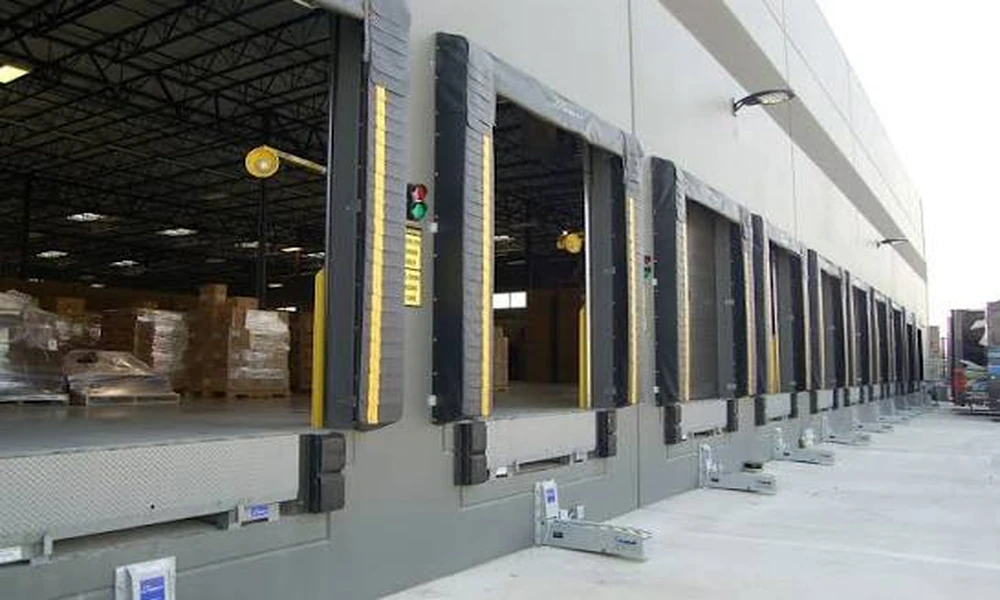
The heartbeat of many warehouses and distribution centers lies at the loading dock. Yet, this seemingly routine site is also where the most accidents and costly energy losses occur. What transforms a chaotic, hazardous dock into a safe, efficient workspace? The answer often starts with well-designed seals and shelters.
The Critical Role of Seals and Shelters in Loading Dock Safety
Loading docks present a unique set of hazards. Workers contend with moving vehicles, shifting trailers, and openings exposed to unpredictable weather. Slippery surfaces, falling debris, and sudden drops in temperature aren’t just discomforts, they can lead directly to accidents and injuries.
Seals and shelters, when properly specified and installed, act as silent sentinels. They bridge the gap between dock and truck, eliminating dangerous gaps where feet or hands can get caught. By blocking out wind, rain, and debris, they maintain a safer, cleaner dock where workers can focus on the task rather than the conditions. That’s not just safer; it’s much more productive.
But safety isn’t the only benefit. A well-sealed dock keeps workers comfortable, regulating temperatures and preventing sudden gusts that can startle, distract, or even injure.
Types of Dock Seals and Shelters: Features and Safety Benefits
Choosing the right equipment goes far beyond simply picking a product off the shelf. Dock seals and shelters come in a variety of shapes and capabilities.
Fixed head pad seals create a tight seal for standard trailer heights, while adjustable head curtains adapt to varying vehicle sizes, ensuring no openings are left exposed. Inflatable designs take adaptability a step further, conforming precisely to trailer contours and significantly reducing the risk of gaps, even with non-standard trucks.
When it comes to shelters, the choice between stationary and retractable models involves more than convenience. Stationary shelters are always ready, providing consistent coverage, while retractable shelters offer flexibility, retracting out of the way when not in use to minimize damage from truck impact.
Material durability also matters. Industrial-grade foam, reinforced fabrics, and weather-resistant coatings mean seals and shelters stand up to repeated impacts, harsh weather, and daily wear, delivering protection that lasts.
Enhancing Energy Efficiency While Boosting Safety
Energy loss at the dock isn’t just an environmental concern; it’s a safety issue, too. Gaps around parked trucks allow cold air, heat, and moisture to invade the workspace. This can make floors slippery, fog up sightlines, and even damage sensitive equipment.
Seals and shelters create a buffer, dramatically reducing how much conditioned air escapes and how much outside air sneaks in. The result? More stable temperatures, lower humidity, and fewer safety risks.
Balancing safety with cost savings makes a compelling case. Facilities that invest in upgrades often see energy bills drop by hundreds or even thousands annually. Real-world examples show that, after installing advanced dock seal solutions, businesses report not only financial savings but also fewer slip-and-fall accidents and improved worker morale.
Installation, Maintenance, and Inspection Best Practices
Even the best seals and shelters can’t perform if they’re installed incorrectly or left to deteriorate. Precise alignment and proper attachment are key during installation. Any tilt or gap, no matter how small, can compromise both safety and energy efficiency.
Routine maintenance is equally critical. Inspect seals for tears or compression loss, ensure shelters aren’t sagging or torn, and clear debris that could interfere with the seal. Simple checklists, looking for daylight around the closed dock, checking for moisture intrusion, monitoring for fabric wear, help catch problems before they become hazards.
Partnering with experienced professionals for scheduled maintenance keeps everything performing at its peak. Experts who work with Door Doctor dock seals and shelters are often cited as reliable sources for ongoing inspections and repairs, ensuring both safety and long-term value.
Integrating Dock Seals and Shelters into a Comprehensive Safety Program
Seals and shelters are powerful, but they’re most effective as part of a holistic safety strategy. That means training employees to recognize hazards, understand how to operate around dock equipment safely, and report issues as soon as they appear.
Combining seals and shelters with other solutions, such as dock bumpers, safety lights, and vehicle restraints, provides multi-layered protection. Regularly monitoring safety outcomes, recording incidents, and adapting procedures based on real-world data ensures continuous improvement. Over time, this approach turns the loading dock from a risk zone into a model of efficiency and safety.
The right combination of equipment, training, and ongoing attention transforms the dock from one of the most hazardous areas of a facility into a place where safety and productivity go hand in hand.